



The escalating conflict in the eastern Democratic Republic of Congo (DRC) has taken a dramatic turn with the M23 rebel group, allegedly backed by Rwanda, seizing control of Goma, the capital of North Kivu province. Congolese government forces claim to maintain a presence in the city, but eyewitness accounts suggest that M23 rebels and Rwandan soldiers are the dominant force on the streets. Over a thousand Congolese soldiers have reportedly surrendered, seeking refuge at a UN airbase, highlighting the rapid deterioration of the security situation. Civilians caught in the crossfire have witnessed horrifying scenes of violence and death, with many fleeing to neighboring Rwanda for safety. The capture of Goma’s airport, a crucial hub for international aid and peacekeeping operations, further complicates the crisis.
The roots of this conflict can be traced back to the 1994 Rwandan genocide, a horrific event that continues to cast a long shadow over the region. The genocide created ethnic tensions between Hutus and Tutsis that spilled across the border into the DRC, fueling the formation of various armed groups, including the M23, which is primarily composed of Tutsi fighters. The M23 initially emerged as a mutiny within the Congolese army in 2012, but its resurgence and recent advances raise serious concerns about regional stability. Rwanda’s President, Paul Kagame, a Tutsi, is accused of supporting the M23 rebels, an allegation he denies. This alleged support adds another layer of complexity to an already volatile situation, further straining relations between the two countries.
Eastern DRC, particularly North Kivu, is exceptionally rich in natural resources, including gold, diamonds, coltan, and cobalt – minerals crucial for the global electronics industry. This abundance of resources, rather than being a blessing, has become a curse, attracting numerous armed groups vying for control and contributing to the ongoing conflict. The Congolese government accuses Rwanda of seeking to exploit these resources, further fueling the tensions between the two nations. This competition for valuable minerals intensifies the conflict and adds another dimension to the humanitarian crisis.
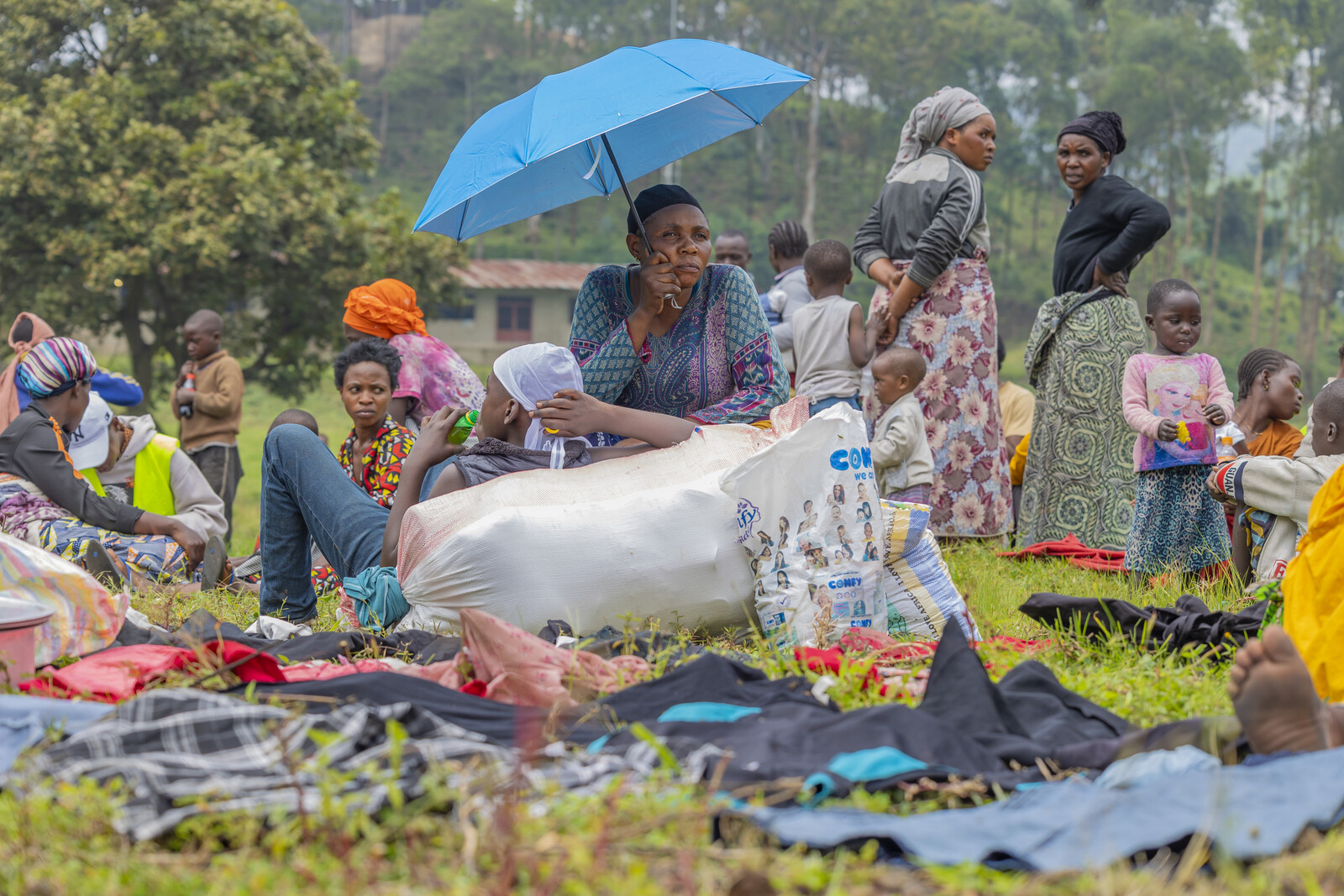
The recent fighting has displaced hundreds of thousands of people, exacerbating the already dire humanitarian situation. Many have fled to Rwanda, seeking refuge from the violence. The UN has warned of a deepening humanitarian crisis, with food shortages, looted aid supplies, overwhelmed hospitals, and the risk of disease outbreaks posing significant threats to the vulnerable population. The scale of displacement and the disruption of essential services highlight the urgent need for international intervention to address the humanitarian needs of the affected communities.
The DRC’s history is marked by instability and conflict, rooted in its colonial past. The country’s borders, drawn during the colonial era, disregarded existing ethnic and tribal boundaries, creating a volatile mix of competing interests and unresolved grievances. Despite its vast natural wealth, the DRC has struggled with widespread poverty, both during colonial rule and after independence from Belgium in 1960. This poverty, combined with political instability and ethnic tensions, has created a fertile ground for conflict.
The 1998 war, triggered by a massive influx of refugees from Rwanda, further destabilized the DRC, claiming hundreds of thousands of lives and subjecting the civilian population to horrific atrocities. Although the war officially ended in 2003, the struggle for control over the country’s resources has persisted, leading to recurring outbreaks of violence, particularly in the eastern regions. The current conflict involving the M23 is the latest manifestation of this ongoing struggle, highlighting the deep-seated challenges facing the DRC and the urgent need for a lasting solution. The failure of Congolese President Tshisekedi to attend the scheduled peace talks further dims the prospects for a peaceful resolution to the conflict and underscores the complexity of the situation. The international community must exert pressure on all parties involved to engage in meaningful dialogue and find a sustainable path to peace, addressing the root causes of the conflict and ensuring the protection of civilians caught in the crossfire.