




Robbie Williams Reimagined: A Cinematic Symphony of Self-Reflection in "Better Man"
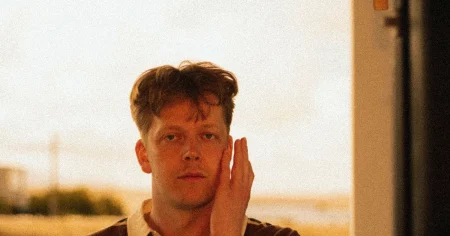
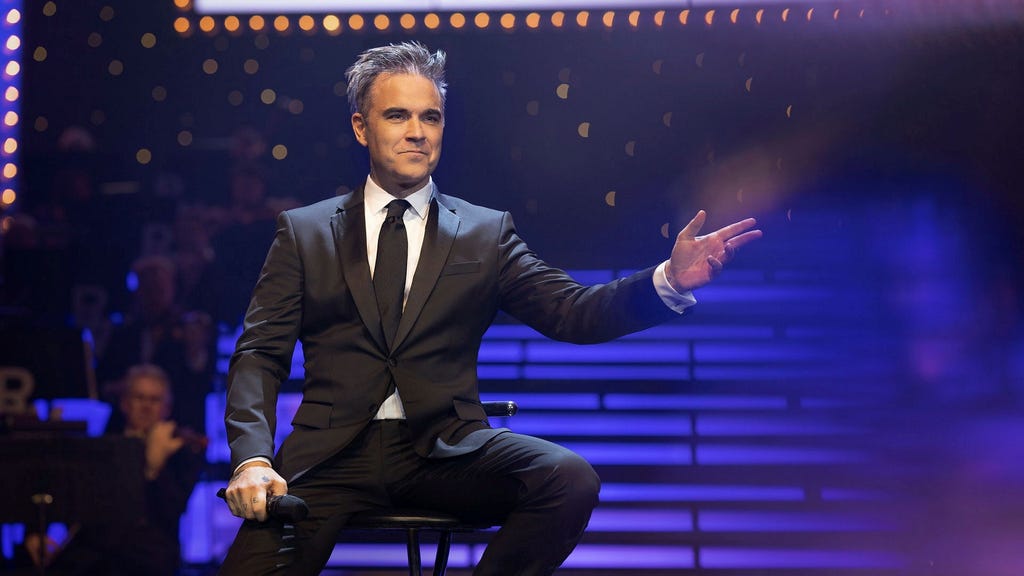
Michael Gracey’s "Better Man" isn’t your typical biographical music drama. It transcends the often-used formulaic approach to artist portrayals, offering a refreshing, introspective, and genuinely entertaining journey through the turbulent life and career of Robbie Williams. The film cleverly employs motion-capture technology, presenting Williams as a chimpanzee throughout, a metaphorical representation of the artist as both performer and spectacle. This artistic choice, reminiscent of Filip Nilsson’s music video for Håkan Hellström, elevates the film beyond a mere recounting of events, transforming it into a poignant exploration of fame, vulnerability, and the search for self-worth.
The film’s narrative arc begins with young Robbie’s humble origins, growing up with his mother and grandmother in a small British town, yearning for the approval of his absent father. This early emotional grounding sets the stage for the complexities that will later define his adult life. The journey then progresses through the heady days of Take That, capturing the intoxicating energy of boy-band mania with vibrant musical sequences and nostalgic period detail. While Robbie Williams’ musical catalog may not resonate equally with all audiences, director Michael Gracey skillfully avoids overwhelming the narrative with musical numbers. Instead, he strategically weaves a handful of key performances into the dramatic fabric, ensuring the music serves the story rather than overpowering it.
The chimpanzee portrayal allows the film to maintain a critical distance from its subject, preventing the narrative from devolving into a hagiographic tribute. This detachment allows for a more nuanced and honest examination of Williams’ character, flaws and all. While the audience recognizes the familiar music and glimpses of real-life figures like Liam Gallagher, the anthropomorphic representation ensures that the narrative remains focused on the emotional core of Williams’ journey. The film’s dialogue, infused with quintessentially British wit, further enhances its appeal, adding layers of humor and poignancy to the unfolding drama.
The story takes a darker turn following Williams’ departure from Take That. The film delves into his struggles with self-hatred, substance abuse, and the emotional turmoil surrounding a forced abortion. This unflinching portrayal of his personal demons provides a stark contrast to the often-glib public persona he projected during that time. “Better Man” revisits the controversial incidents where he seemingly trivialized his mental health struggles, eliciting uncomfortable laughter from audiences rather than empathy or understanding. The film highlights this period as a critical juncture in his life, where he appeared to become a caricature, a "circus ape" performing for public amusement.
However, "Better Man" doesn’t simply chronicle Williams’ descent into darkness. It also charts his journey towards self-acceptance and redemption. The film becomes a powerful meditation on the exploitative nature of fame and the struggle to maintain one’s humanity in the face of unrelenting public scrutiny. The chimpanzee metaphor takes on a deeper meaning, symbolizing the dehumanizing aspects of celebrity culture and the pressure to conform to manufactured expectations. The film subtly suggests that, in some ways, we are all "circus apes," performing for validation and acceptance in a world obsessed with appearances.
"Better Man" ultimately succeeds in presenting a multifaceted portrait of a complex individual. It invites audiences to look beyond the often-controversial headlines and glimpses into the vulnerable human being beneath the carefully constructed persona. The film’s artistic choices, its nuanced storytelling, and its willingness to confront difficult topics elevate it beyond a mere biographical account, transforming it into a powerful and thought-provoking cinematic experience. It stands as a testament to the enduring power of self-reflection and the possibility of finding redemption even in the darkest of times. The film offers a powerful message of hope and resilience, reminding us that even the most troubled individuals can find their way back to themselves.