



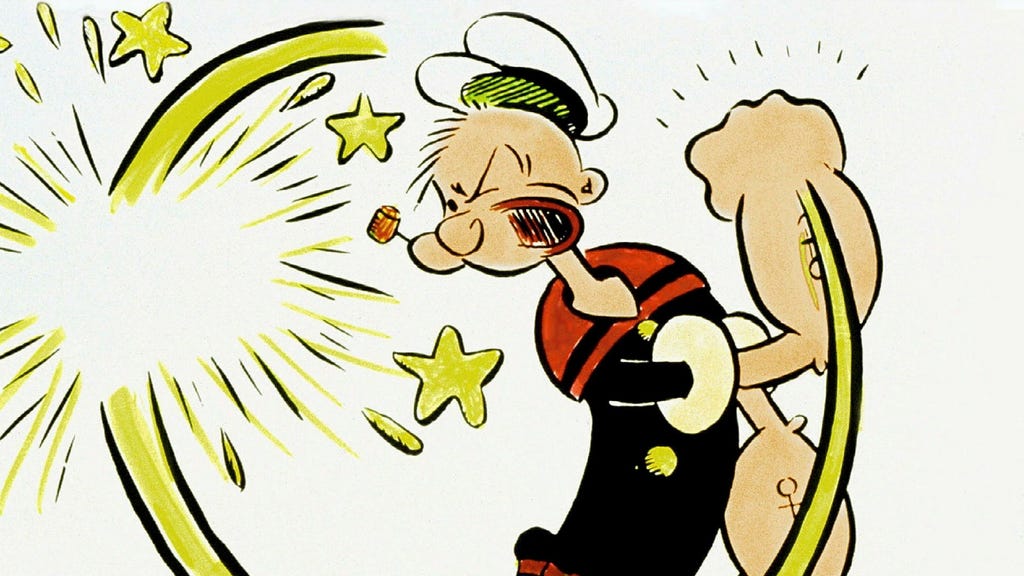
The expiration of copyright protection on iconic characters and works opens up a realm of creative possibilities, sometimes leading to unexpected and even controversial reinterpretations. The upcoming film ”Popeye the Slayer Man” exemplifies this phenomenon, transforming the spinach-chomping sailor into a violent force, a stark departure from his traditionally wholesome image. This film, alongside ”Shiver Me Timbers” and an untitled Popeye horror project, is slated for release next year, signaling a trend of reimagining classic characters in darker, more mature contexts.
This trend isn’t entirely new. The 2023 slasher film, ”Winnie the Pooh: Blood and Honey,” capitalized on the expiration of A.A. Milne’s copyright on Winnie-the-Pooh, presenting a gruesome and unsettling portrayal of the beloved bear. This sparked considerable public interest and controversy, highlighting the potential for both creative exploration and audience backlash when familiar childhood figures are reimagined in drastically different genres. The case of Winnie-the-Pooh serves as a precedent for the potential reception of these upcoming Popeye films, suggesting that they too may generate both excitement and debate among audiences.
The expiration of copyright protection allows filmmakers and other creatives to explore new interpretations of classic characters and stories, often pushing boundaries and challenging conventional perceptions. ”Popeye the Slayer Man” represents a bold departure from the familiar narrative of Popeye, raising questions about the ethics and artistic merit of reimagining beloved characters in such drastically different ways. While some might criticize such reinterpretations as disrespectful or exploitative, others may view them as opportunities for artistic expression and commentary on contemporary culture.
The list of works entering the public domain in 2024 extends beyond Popeye, encompassing a diverse range of creative endeavors. E.C. Segar’s Popeye, Hergé’s Tintin (specifically in the United States), the Marx Brothers’ debut film ”The Cocoanuts,” Alfred Hitchcock’s first sound film ”Blackmail,” Ernest Hemingway’s novel ”A Farewell to Arms,” and Virginia Woolf’s essay ”A Room of One’s Own” are all becoming available for adaptation and reinterpretation. This influx of public domain material presents a rich resource for artists and filmmakers, offering the chance to revisit classic works with fresh perspectives and create new narratives inspired by these foundational texts.
The case of Tintin highlights the complexities of international copyright law. While the character enters the public domain in the United States due to its 95-year copyright term, he remains protected within the European Union, where copyright extends 70 years after the author’s death (Hergé died in 1983). This discrepancy illustrates the challenges of navigating copyright restrictions in a globalized world, creating different possibilities for adaptation and reinterpretation depending on the specific legal jurisdiction. This distinction underscores the importance of understanding copyright law when embarking on projects involving established characters or works.
The wave of public domain entries in 2024, including iconic characters like Popeye and Tintin, influential films like ”Blackmail” and ”The Cocoanuts,” and literary masterpieces like ”A Farewell to Arms” and ”A Room of One’s Own,” presents a unique opportunity for creative exploration and reinterpretation. These works, freed from copyright restrictions (at least in certain jurisdictions), offer a vast playground for artists and filmmakers to experiment with new narratives, stylistic approaches, and thematic interpretations. While the transformation of beloved characters like Popeye into darker, more violent figures may be controversial, it also reflects the evolving nature of storytelling and the ongoing dialogue between creators, audiences, and cultural heritage. The coming years will undoubtedly witness a surge of new adaptations and reimaginings of these classic works, offering a fascinating glimpse into the ever-changing landscape of creative expression.