




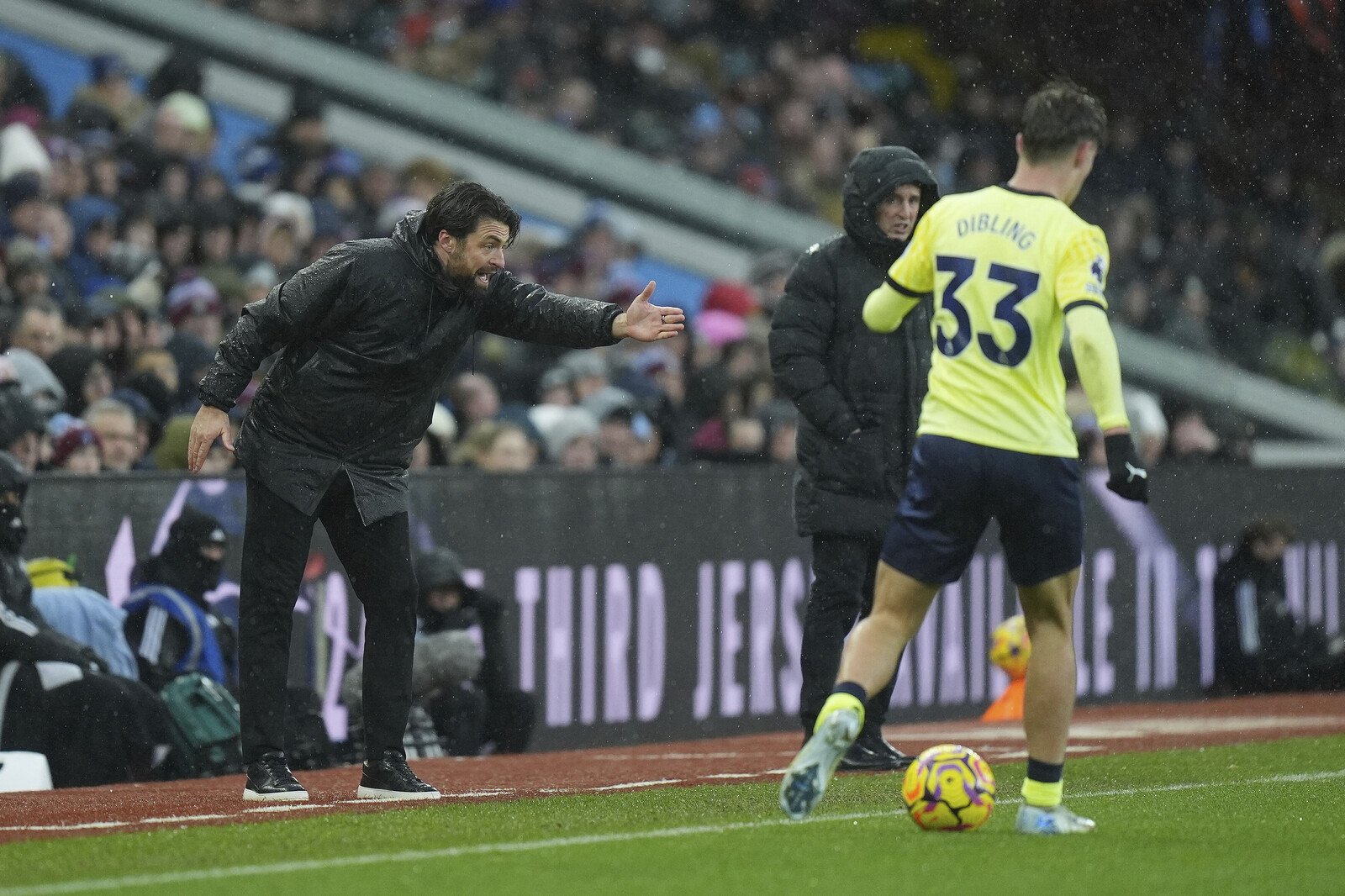
Southampton Football Club’s dismal start to the 2023-24 Premier League season has culminated in the dismissal of manager Russell Martin. Anchored to the bottom of the table with a solitary victory, the club acted decisively to stem the tide of losses. A terse statement released by Southampton acknowledged the pressing need for improvement, a sentiment undoubtedly shared by the fanbase and players alike. Martin, who had orchestrated the Saints’ promotion from the Championship the previous season, found himself unable to replicate that success in the top flight. Five defeats in six matches painted a stark picture of a team struggling to adapt and compete at the Premier League level. The club has placed Simon Rusk, former U21 coach, in interim charge while the search for a permanent replacement gets underway. Rusk inherits a team low on confidence and facing an uphill battle to avoid relegation. His immediate task will be to galvanize the squad and instill a renewed sense of belief.
The dismissal of Russell Martin comes amidst a flurry of managerial changes in the early stages of the Premier League season. The demanding nature of the competition, coupled with the high expectations of club owners and supporters, often leads to swift action when results falter. Martin’s departure followed closely on the heels of Gary O’Neil’s sacking at Wolverhampton Wanderers, another team grappling with a disappointing start. O’Neil, who had steered Wolves to safety last season, was relieved of his duties after a 2-1 defeat to Ipswich Town, their fourth consecutive loss. The parallels between the two situations are striking, highlighting the precarious nature of managerial positions in the Premier League. Both clubs find themselves in the relegation zone, underlining the urgency for improved performances and a change in fortunes.
Southampton’s struggles this season can be attributed to a number of factors. The step up in competition from the Championship to the Premier League is significant, and the Saints appear to have found it difficult to adjust. The squad, while possessing talented individuals, has lacked cohesion and consistency. Defensive frailties have been a recurring theme, with the team conceding goals at an alarming rate. Furthermore, the attacking output has been insufficient to compensate for the defensive vulnerabilities. While Martin implemented a possession-based style of play, it often lacked penetration and cutting edge in the final third. The inability to convert possession into goals has ultimately proved costly.
The appointment of Simon Rusk as interim manager presents both challenges and opportunities. Rusk, familiar with the club’s structure and youth setup, will need to quickly assess the strengths and weaknesses of the first team squad. He will be tasked with instilling a sense of discipline and organization, while simultaneously fostering a more positive and attacking mindset. The international break provides a valuable window of opportunity for Rusk to work with the players and implement his tactical approach. He will also have the chance to evaluate the squad and identify potential areas for reinforcement in the upcoming transfer window. While the task ahead is undoubtedly daunting, Rusk has the opportunity to make a positive impact and potentially stake a claim for the permanent managerial position.
The parallels between Southampton and Wolverhampton’s predicament extend beyond the managerial changes. Both clubs find themselves embroiled in a relegation battle, highlighting the competitive nature of the Premier League. While early season form is not always indicative of final outcomes, the pressure to accumulate points is immense. Both clubs will be looking to strengthen their squads in the upcoming transfer window, addressing key areas of weakness. The ability to attract and integrate new players effectively could prove crucial in their fight for survival. Furthermore, both clubs will need to demonstrate resilience and a renewed sense of purpose to navigate the challenges ahead.
The Premier League is renowned for its unforgiving nature, and the early season dismissals of Russell Martin and Gary O’Neil serve as stark reminders of the pressures faced by managers. Southampton and Wolverhampton Wanderers, both languishing in the relegation zone, find themselves at a crossroads. The appointment of interim managers provides a temporary respite, but the long-term success of both clubs hinges on the strategic decisions made in the coming weeks and months. The ability to identify and appoint the right permanent managers, coupled with shrewd recruitment and improved performances on the pitch, will be crucial in determining their ultimate fate. The fight for Premier League survival is a long and arduous one, and both clubs will need to summon all their resources and determination to avoid relegation.