


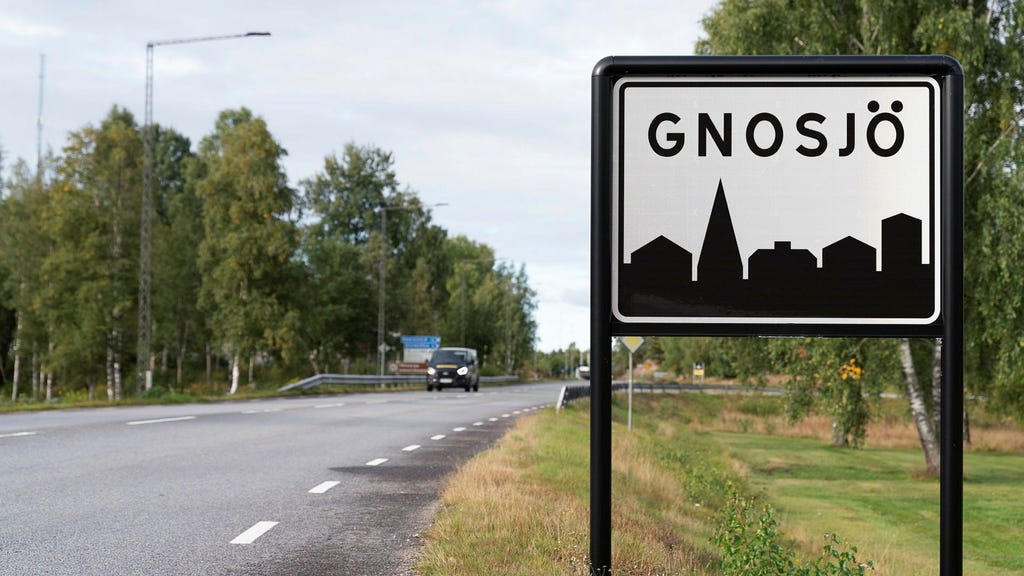
The brutal murder of a 74-year-old woman in Gnosjö, Sweden, in November of the previous year sent shockwaves through the small community. The victim, found in a local recreational area, had suffered numerous stab wounds and severe head injuries inflicted by a hammer. Initially, suspicion fell upon a man in his 70s who lived near the victim, leading to a period of uncertainty and fear. However, a dramatic turn of events unfolded as the investigation progressed. The initial suspect was entirely cleared of any involvement and, surprisingly, emerged as a key witness in the case. His observations regarding a 28-year-old man ultimately led to the arrest and subsequent prosecution of the true perpetrator.
The 28-year-old man, previously unknown to law enforcement, confessed to the murder through a police tip line. He provided specific details about the crime that were not publicly available, effectively eliminating the possibility of fabricated information. This self-incriminating act proved pivotal in solving the case, as the man had no prior connections to the victim and was not initially on the investigators’ radar. The confession opened a window into a disturbed mind, revealing a long-held fascination with murder and serial killers. Searches and images found on his phone and computer corroborated this morbid interest, painting a grim picture of his premeditation.
The investigation further unearthed a disturbing arsenal within the 28-year-old’s apartment. A vast collection of weapons, including knives, axes, soft air guns, and batons, highlighted the potential for further violence. This discovery, coupled with the man’s confession and digital footprint, painted a chilling portrait of a potential serial killer in the making. His interest in weaponry, combined with his macabre fascination with murder, raised serious concerns about the extent of his violent tendencies and the potential for future attacks.
Beyond the confessed murder, the 28-year-old faced additional charges of preparing for two more murders, one in Gnosjö and another in Gothenburg. He detailed these plans during interrogation, backed by corroborating evidence that the prosecutor declined to disclose before the trial, scheduled for January 8th. His preparations included acquiring numerous weapons and scouting locations in Gnosjö that he deemed suitable for carrying out his sinister plans. The chilling details of his preparatory actions underscore the imminent danger he posed to the community.
The planned attack in Gothenburg involved an even more calculated approach. The 28-year-old traveled to the city, checked into a hotel for several days, and brought weapons with him, indicating a premeditated intent to carry out his murderous plans. The meticulous nature of his planning, spanning multiple locations and involving the acquisition of various weapons, points to a disturbing level of premeditation and a clear intent to inflict harm. This cross-regional planning further emphasizes the potential danger he represented, expanding the scope of his threat beyond the confines of his local community.
The 28-year-old’s meticulous preparations extended beyond acquiring weapons and scouting locations. He even purchased cleaning supplies, presumably to erase any traces of his crimes, demonstrating a calculated and chillingly pragmatic approach to murder. This foresight, combined with his extensive planning and weapon acquisition, paints a picture of a cold, calculating individual capable of meticulous premeditation. A comprehensive psychiatric evaluation determined that the 28-year-old was not suffering from any serious mental illness at the time of the crimes, leaving the motive behind his horrific acts a central question for the upcoming trial. The absence of a diagnosed mental illness adds another layer of complexity to the case, raising questions about the driving forces behind his violent actions.