




Paragraph 1: Resignation Amidst Investigation
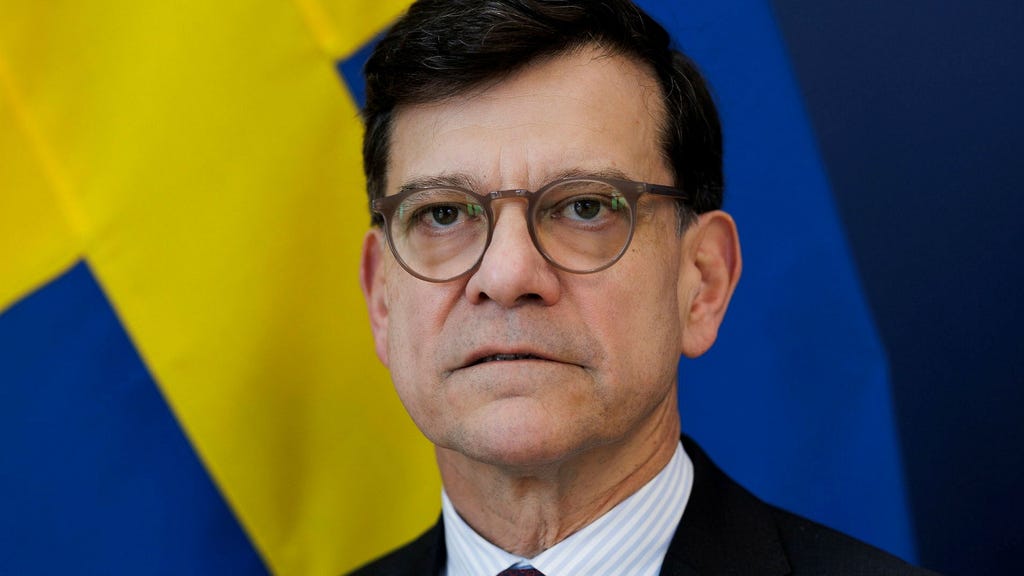
Henrik Landerholm, Sweden’s National Security Advisor, resigned from his post following the initiation of a preliminary investigation into his handling of classified documents. Landerholm admitted to leaving the documents at a conference center, an incident initially investigated and deemed to require no further action by the Government Offices’ security department. However, the case was reopened, prompting a criminal investigation led by Chief Prosecutor Per Lindqvist at the National Security Unit. Landerholm informed Prime Minister Ulf Kristersson of the investigation, and both agreed that Landerholm’s continuation in the role was untenable. The Prime Minister emphasized the importance of upholding security protocols and allowing the legal process to unfold.
Paragraph 2: A Series of Security Lapses
The investigation into the misplaced documents is the latest in a string of security incidents involving Landerholm. Prior to this, he had reported leaving his mobile phone at the Hungarian embassy overnight and misplacing a notebook at Sveriges Radio (Swedish Radio). Furthermore, Landerholm’s appointment of an individual to the Prime Minister’s Office without proper security clearance raised concerns and potential legal issues. These incidents, coupled with the discovery of the classified documents, highlighted a pattern of negligence regarding sensitive information, prompting scrutiny and calls for accountability.
Paragraph 3: The Severity of the Misplaced Documents Incident
The incident at the conference center proved particularly sensitive due to the nature of the documents. While Landerholm initially reported leaving a single document, further investigation revealed four documents, at least one of which was classified. The classification indicated that the unauthorized disclosure of the document’s contents could potentially harm Sweden’s national security. This revelation amplified the seriousness of the situation and intensified the pressure on Landerholm.
Paragraph 4: Public Scrutiny and Media Coverage
The series of security breaches involving Landerholm attracted significant media attention and public scrutiny. Dagens Nyheter (DN), the newspaper that initially broke the story, continued to investigate and report on the incidents, including the delayed filing of a document related to the conference center incident. Other media outlets, including Expressen, Aftonbladet, and Nya Wermlands-Tidningen (NWT), also pursued related stories, raising further questions about Landerholm’s conduct, including his travel expenses related to trips to Berlin. The increased media scrutiny contributed to the growing pressure on Landerholm and the government.
Paragraph 5: Consequences and Future Uncertainties
The fallout from the security breaches extended beyond Landerholm’s resignation. Parliamentary inquiries were filed, demands for his resignation were made, and the Swedish Security Service launched its own investigation. The incidents also sparked broader discussions about security protocols within the government and the handling of classified information. While Landerholm maintained that taxpayer funds were not used for personal travel, the investigation into his Berlin trips by his former employer, the Swedish Psychological Defence Agency, remained ongoing. The long-term implications for both Landerholm and the government remained to be seen.
Paragraph 6: The Role and Responsibilities of the National Security Advisor
The National Security Advisor plays a critical role in advising the Prime Minister on foreign and security policy, analyzing and coordinating related efforts within the government. Leading a staff of approximately 70 individuals, the advisor also oversees crisis management and intelligence coordination, supporting the National Security Council chaired by the Prime Minister. Henrik Landerholm, appointed in November 2022, brought prior experience as a Member of Parliament and Director-General of the Swedish Psychological Defence Agency. His resignation from this key position underscores the gravity of the security breaches and the importance of maintaining the highest standards of conduct and responsibility in protecting sensitive information related to national security.