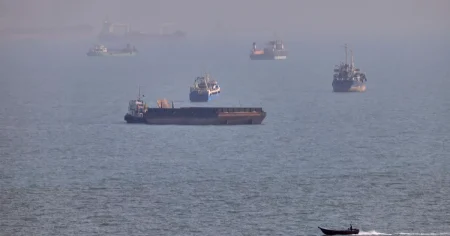




The disruption of data transmission services between Ventspils, Latvia, and Gotland, Sweden, on Sunday morning has raised concerns about potential sabotage, given the cable’s location within Sweden’s economic zone and the ongoing geopolitical tensions in the region. LVRTC, the Latvian cable operator, reported the outage and indicated a high probability of significant damage to the cable due to external factors. This assessment, coupled with the cable’s depth of over 50 meters, suggests a deliberate act rather than an accidental fault. The incident has prompted a swift response from Latvian authorities, with Prime Minister Evika Silina convening an emergency meeting with relevant ministers and agencies to assess the situation and coordinate further actions.
The incident has also garnered attention from NATO, of which Sweden is a prospective member. The alliance’s involvement, with both naval vessels and aircraft operating in the area, underscores the seriousness of the situation. While the exact nature of the damage remains to be determined pending repair operations, the possibility of external interference has raised concerns about the vulnerability of critical infrastructure and the potential for disruptive actions in the region. Sweden’s Ministry of Defence has acknowledged the incident and is actively gathering information to understand the full extent of the damage and its potential implications.
The strategic importance of the undersea cable between Ventspils and Gotland cannot be overstated. It serves as a critical link for data transmission, facilitating communication and connectivity between Latvia and Sweden, and potentially other parts of the Baltic region. Disruption to this vital infrastructure can have significant consequences for various sectors, including telecommunications, finance, and government operations. Furthermore, the incident highlights the vulnerability of undersea cables, which are increasingly targeted in acts of sabotage or espionage due to their crucial role in global communications and data transfer.
The timing of the incident adds another layer of complexity to the situation. Occurring against a backdrop of heightened geopolitical tensions and increased military activity in the Baltic Sea region, the cable disruption raises concerns about potential deliberate acts aimed at destabilizing the region or disrupting communication networks. The ongoing conflict in Ukraine and the subsequent increase in NATO presence in the area have created a sensitive security environment, making any incident involving critical infrastructure a matter of serious concern.
The investigation into the cause of the cable damage will be crucial in determining the appropriate course of action. If external interference is confirmed, it could have significant geopolitical ramifications, potentially leading to increased security measures and heightened tensions in the region. The incident underscores the need for robust protection of critical infrastructure, including undersea cables, from potential threats, both accidental and intentional. International cooperation and information sharing will be essential in addressing this challenge and ensuring the security and resilience of vital communication networks.
The incident serves as a stark reminder of the interconnected nature of modern societies and the vulnerability of critical infrastructure to disruption. The potential for economic and societal disruption resulting from damage to undersea cables highlights the need for proactive measures to protect these vital assets. This includes investing in robust security measures, developing contingency plans, and fostering international cooperation to address potential threats and ensure the continued functioning of critical infrastructure in the face of evolving security challenges. The incident also underscores the importance of ongoing monitoring and assessment of risks to critical infrastructure to anticipate and mitigate potential disruptions.