

The experienced caver Ottavia Piana found herself trapped deep within the Abisso Bueno Fonteno cave system, northeast of Bergamo, Italy, after a fall during an expedition to chart a previously unexplored area. The accident occurred on a Saturday, leaving Piana stranded approximately 585 meters inside the cave with injuries to her back, ribs, face, and knee. The subsequent rescue operation became a complex and challenging endeavor, stretching over 75 hours before she was finally brought to the surface on Wednesday night. Exhausted, in pain, but alive, Piana was immediately airlifted to a hospital for treatment.
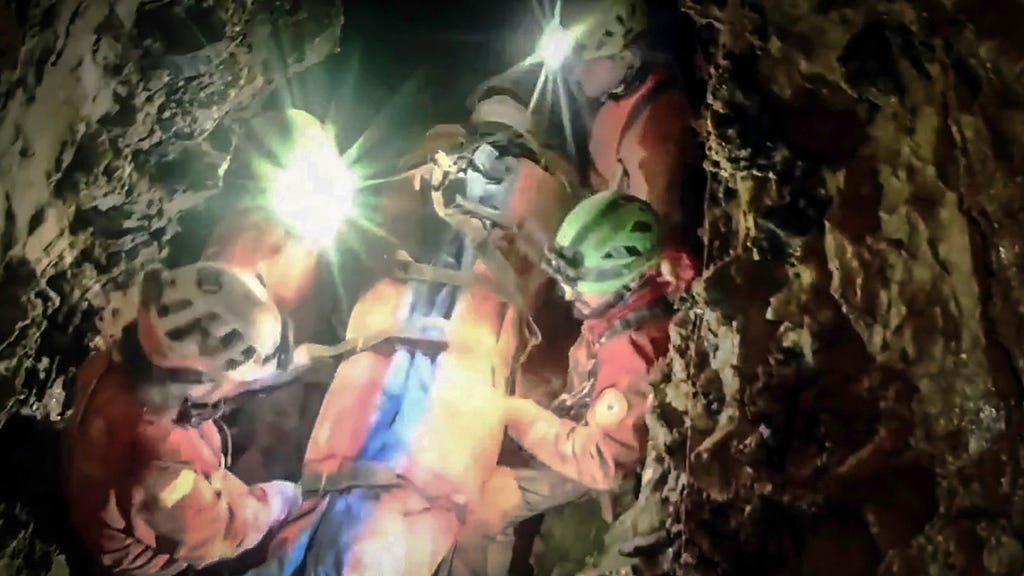
The rescue operation, spearheaded by Italy’s Alpine and Speleological Rescue Corps (CNSAS), involved navigating a labyrinthine network of narrow tunnels within the cave system. The rescuers faced numerous obstacles, requiring the use of small explosive charges to widen passages and create a path for Piana’s extraction. The challenging terrain and the delicate nature of the operation necessitated a slow and meticulous approach, ensuring Piana’s safety and minimizing further injury. Throughout the ordeal, a dedicated medical team, comprising six doctors and eight nurses, provided constant monitoring and care to the injured caver. The frigid conditions near the cave entrance added to the urgency of the situation, with rescuers battling against time and the elements to bring Piana to safety.
This incident marked the second time in just 17 months that Ottavia Piana had become trapped in the same cave system. A previous incident, occurring roughly a year and a half earlier, resulted in a broken leg for Piana and required a 48-hour rescue operation. The recurring nature of these incidents highlights the inherent risks associated with cave exploration, particularly in uncharted territories. The Abisso Bueno Fonteno cave system, situated between Lake Iseo and Lake Endine, is known for its complex network of caves, tunnels, and underground passages, many of which remain unexplored. The vastness and complexity of the system contribute to the challenges faced by rescuers in locating and extracting individuals who become trapped.
The arduous 75-hour rescue operation involved a continuous effort by the CNSAS team, working tirelessly to overcome the numerous obstacles presented by the cave’s intricate layout. The use of explosives, a necessary measure to clear pathways, further underscores the complexity and inherent danger of the operation. The medical team’s constant presence and monitoring ensured Piana received the necessary care throughout the ordeal, mitigating the risk of further complications. The urgency of the situation, amplified by the freezing winds near the cave entrance, added another layer of complexity to the rescue mission, demanding swift and decisive action from the rescuers.
The ordeal left Piana physically and emotionally drained. The challenging conditions within the cave, coupled with the extended period of entrapment, took a toll on her well-being. While understandably relieved to be rescued, the experience was undoubtedly traumatic. Reports from rescuers indicate that Piana expressed a strong desire never to return to the cave again, a sentiment that reflects the emotional impact of the ordeal. While her physical injuries will heal, the emotional scars of being trapped deep underground may persist.
This incident serves as a stark reminder of the risks inherent in exploring unknown environments. While the allure of discovery and the thrill of venturing into uncharted territories can be powerful motivators, it is crucial to recognize and respect the potential dangers. Proper planning, adequate safety measures, and a thorough understanding of the environment are essential for minimizing risks. In the case of cave exploration, the complex and unpredictable nature of underground systems requires specialized training, equipment, and experience. Ottavia Piana’s experience underscores the importance of these precautions, emphasizing the need for careful preparation and a deep respect for the potential hazards of such explorations. While her passion for caving led her into this precarious situation twice, her ordeal serves as a valuable lesson for the entire caving community.