


The debate surrounding artistic research and its place within academia and the cultural landscape has sparked passionate responses. Sonia Hedstrand argues against special treatment for artistic research, emphasizing that it should be subject to the same critical scrutiny as any other field. This stance is directly challenged by Sara Kristoffersson, who suggests that Hedstrand misunderstands the nature of artistic research and that the film “Fallet Bogdan,” a documentary centered on Stockholm University of the Arts (SKH), should be viewed as an artwork rather than a traditional documentary. This disagreement highlights the core tension between established academic norms and the evolving field of artistic research.
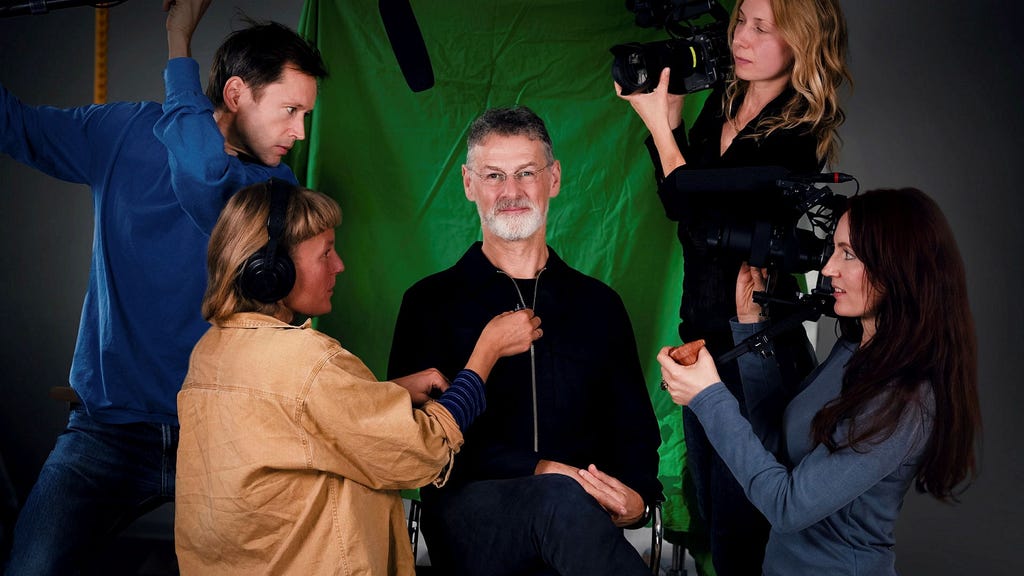
Hedstrand’s position stems from her familiarity with artistic research, citing her coursework at SKH, the very institution depicted in the film. She argues that “Fallet Bogdan” fails to capitalize on the opportunity to showcase the genuine knowledge production happening within SKH. Instead, the film utilizes cinematic techniques, such as incorporating behind-the-scenes footage and meta-conversations between the filmmakers, reminiscent of 1960s self-reflexive essay films. While acknowledging these techniques, Hedstrand criticizes their lack of conceptual depth in “Fallet Bogdan,” asserting that mere stylistic borrowing does not automatically constitute art. Furthermore, she emphasizes the documentary format of the program “K Special,” where the film was aired, underlining its intended function as a platform for cultural documentaries rather than experimental video art.
The broader context of this debate involves the perceived threat artistic research poses to traditional academic power structures and artistic practices. Hedstrand identifies two main sources of resistance: established academics fearful of losing their interpretive authority and traditional artists concerned about the increasing influence of academia on artistic creation. This anxiety, she argues, arises from the epistemological shift that artistic research represents. Traditional universities, with their hierarchical structure prioritizing theory over practice and knowledge generated through conflict, are challenged by the methodologies employed in artistic research, which often align with feminist approaches emphasizing understanding, listening, and embodied experience. These alternative ways of knowing, prioritizing lived experience and creative exploration, disrupt conventional academic hierarchies.
“Fallet Bogdan,” according to Hedstrand, perpetuates a distorted image of artistic research, potentially fueling these existing anxieties. She invites Kristoffersson, who works at Konstfack, University of Arts, Crafts and Design, to engage with artistic research more deeply during the institution’s research week. This invitation underscores Hedstrand’s belief in the importance of open dialogue and deeper understanding of artistic research. The film serves as a catalyst for a broader discussion about the validity, methodology, and impact of this emerging field.
The central disagreement lies in the interpretation of “Fallet Bogdan.” Kristoffersson views the film as an artwork, emphasizing its creative approach and cinematic language, while Hedstrand considers it a flawed documentary failing to adequately represent the complexities of artistic research. This difference in perspective highlights the inherent challenges in classifying and evaluating artistic research, blurring the lines between traditional artistic expression and academic inquiry. The debate also raises questions about the appropriate platforms and formats for presenting artistic research, particularly within established media frameworks like “K Special.”
The debate surrounding “Fallet Bogdan” reflects a wider tension within the arts and academia. The rise of artistic research challenges traditional notions of knowledge production and artistic practice, prompting anxiety and resistance from those invested in established structures. Hedstrand’s critique of the film and her call for a more nuanced understanding of artistic research highlight the ongoing negotiation and evolution of artistic and academic boundaries. The film, intended or not, has become a focal point for a crucial conversation about the future of knowledge and creativity. The invitation extended to Kristoffersson symbolizes the potential for dialogue and bridge-building between different perspectives within this evolving landscape. Ultimately, the controversy surrounding “Fallet Bogdan” underscores the need for continued discussion and critical engagement with the complexities of artistic research and its place within the broader cultural and academic context.