



Swedish Kratom consumption has experienced an explosive surge in recent years, transforming from a relatively obscure substance to a widely imported commodity. In just four years, imports have skyrocketed from a modest 3 million tons in 2019 to a staggering 42 tons in 2023, representing a more than tenfold increase. This dramatic rise underscores the growing popularity of kratom within Sweden and highlights the urgent need for regulatory intervention. The current legal loophole surrounding kratom allows for its importation as it remains technically legal in plant form. However, the processing of these leaves into tea or other consumable forms constitutes the illegal manufacturing of narcotics, thereby creating a complex legal gray area.
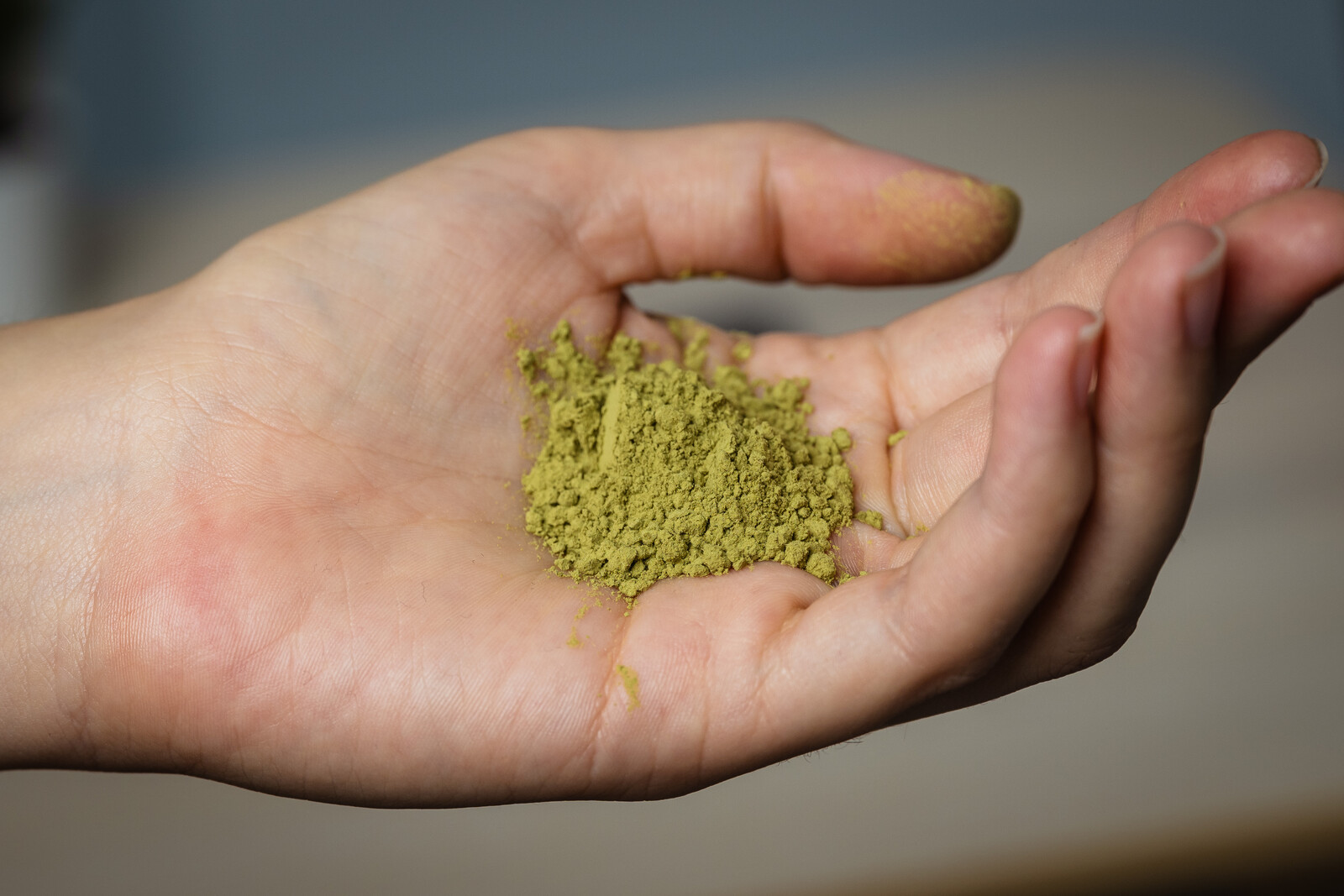
The primary appeal of kratom lies in its diverse consumption methods and potent psychoactive effects. The leaves can be readily chewed, brewed into tea, or processed into a powder, offering users various avenues to experience its effects. In low doses, kratom acts as a stimulant, inducing mild euphoria and increased energy. However, larger doses mimic the effects of opioids, producing a sedative and pain-relieving sensation. This dual nature of kratom, coupled with its accessibility, contributes significantly to its escalating popularity. The current legislative ambiguity, where the active substance mitragynin is classified as a narcotic while the plant itself isn’t, further exacerbates the issue by hindering effective control and regulation.
The Swedish Customs Authority is actively advocating for the reclassification of kratom as a narcotic, mirroring the stance taken by several other European nations, including Denmark and Finland. The current legislation, which permits the importation of the plant while prohibiting its processed forms, presents a significant challenge for law enforcement. Many importers exploit this legal loophole by claiming the kratom is intended for benign purposes, such as soap production. However, the simultaneous sale of kratom on platforms offering other illicit substances like laughing gas and cannabis derivatives raises serious doubts about the veracity of these claims and suggests a widespread diversion of kratom into the illicit drug market. The sheer volume of kratom imported – 42 tons in 2023 – further strengthens this suspicion.
The Public Health Agency has recognized the growing concerns surrounding kratom and has formally proposed its classification as a narcotic. This reclassification would empower the Customs Authority to intercept and confiscate kratom shipments at the border, effectively curbing the escalating influx of this potentially harmful substance. The Customs Authority, having long highlighted the legislative gap surrounding kratom, welcomes this proposal as a crucial step towards addressing the issue. The current situation, where only the isolated alkaloid mitragynin is controlled while the plant itself remains unregulated, creates confusion and hinders effective enforcement. Classifying kratom as a narcotic would clarify the legal status and simplify enforcement efforts.
The Poison Information Centre has documented the potential health risks associated with kratom use, including the risk of addiction, epileptic seizures, jaundice, and even isolated deaths. These documented health concerns, coupled with the escalating import volumes and the potential for abuse, underscore the urgency of regulatory action. The reclassification of kratom as a narcotic would not only simplify law enforcement efforts but also enable public health campaigns to raise awareness about the potential dangers associated with its use. By aligning Swedish legislation with that of other European countries that have already classified kratom as a narcotic, Sweden can better protect its citizens from the potentially harmful consequences of this increasingly popular substance.
The ongoing debate surrounding kratom regulation in Sweden highlights the complex interplay between individual liberties, public health concerns, and the challenges of controlling emerging psychoactive substances. While proponents of kratom may argue for its potential benefits and advocate for responsible use, the documented health risks, the escalating import volumes, and the clear potential for abuse necessitates a cautious and proactive approach. The proposed reclassification of kratom as a narcotic represents a significant step towards addressing this complex issue and protecting the public from the potential harms associated with its unregulated use. This change would empower law enforcement, facilitate public health campaigns, and align Sweden with other European countries that have recognized the need for stricter control of this increasingly popular substance.