
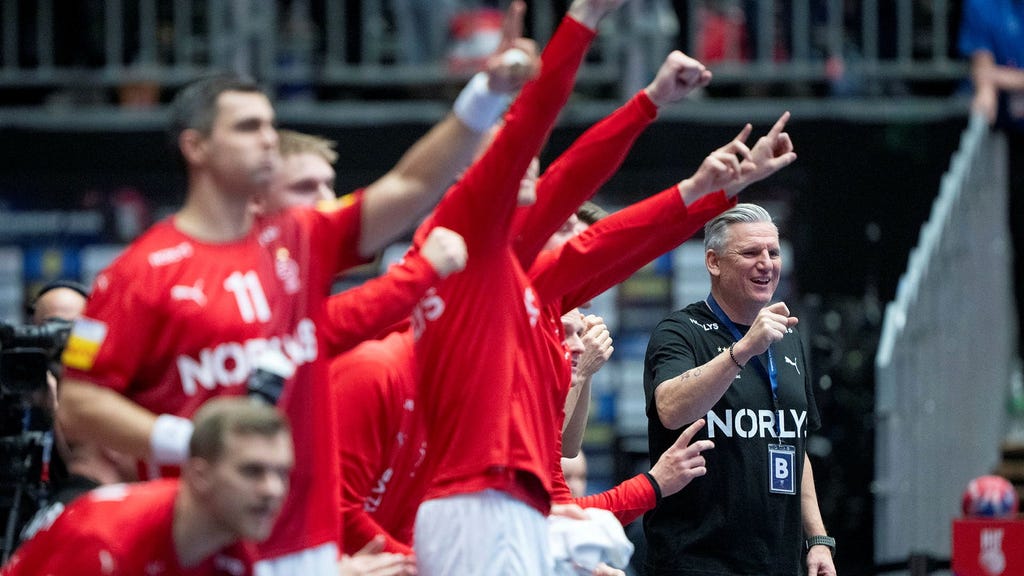
The Danish men’s handball team stands as an undisputed powerhouse in the sport, boasting an unparalleled record of dominance. Since a defeat to Hungary in the 2017 World Championship, Denmark has embarked on an extraordinary 34-match unbeaten streak in World Championship play, marred only by a single draw against Croatia in the 2023 tournament. This remarkable run includes dramatic victories, such as the quarterfinal win against Egypt in 2021, secured only after multiple overtime periods and a penalty shootout. This sustained success extends beyond the World Championships, highlighted by their Olympic gold medal in 2020 and an impressive record of 14 wins and only two losses across the two most recent Olympic tournaments.
Several factors contribute to Denmark’s remarkable ascendancy in handball. The sport enjoys immense popularity in the country, akin to the status of ice hockey in Sweden. This widespread passion translates into a higher level of professionalism and investment in the sport. The Danish league, Håndbold Ligaen, attracts top international talent, fostering a highly competitive environment that hones the skills of Danish players. Furthermore, the national team benefits from the astute leadership of Nikolaj Jacobsen, widely considered one of the best coaches in the world. Jacobsen’s tactical acumen and emphasis on a detailed, system-oriented approach have been instrumental in shaping the team’s success.
Even the retirement of long-time stars Mikkel Hansen and Niklas Landin, following the 2020 Olympics, has failed to disrupt Denmark’s winning trajectory. The team seamlessly integrated new talent, securing six consecutive victories at the 2025 World Championship in their home arena, Boxen, in Herning, and entering the knockout stages as clear favorites. This continued success underscores the depth of talent within Danish handball and the effectiveness of their player development system.
Denmark’s success is rooted in a comprehensive approach to talent development. The country’s handball federation actively identifies and nurtures young players, many of whom attend a specialized boarding school in Oure, affiliated with the GOG handball club’s academy. This program has produced a wealth of talent, including prominent national team players such as Mathias Gidsel, Simon Pytlick, Emil Jakobsen, Mikkel Hansen, and Niklas Landin, as well as coach Nikolaj Jacobsen himself. This focused development pathway ensures a steady stream of highly skilled players for the national team.
The widespread popularity of handball in Denmark generates significant media attention and lucrative sponsorship deals, further fueling the sport’s growth. The national team’s matches regularly draw capacity crowds, and television viewership numbers are impressive, reaching record levels for both men’s and women’s games. This strong public support creates a positive feedback loop, attracting more investment and inspiring future generations of handball players. In contrast to countries where handball competes with other winter sports for attention and resources, Denmark’s singular focus on the sport allows for concentrated development and fosters a deeper connection between the team and its fans.
Denmark’s depth of talent makes them incredibly difficult to defend against. Opponents can attempt to neutralize key players like Gidsel and Pytlick, but this often leaves other dangerous players, such as Bundesliga MVP Magnus Saugstrup, open to exploit. This multifaceted attack, combined with their tactical prowess and disciplined defense, makes Denmark a formidable opponent. Their consistent performance and ability to reload with new talent suggest that their reign of dominance in handball is likely to continue for the foreseeable future.