



The Dark Side of Yuletide Cheer: Exploring Malevolent Christmas Figures in Culture
Christmas, a time traditionally associated with joy, family, and festive cheer, harbors a darker, more subversive undercurrent within cultural narratives. From mischievous tricksters to outright malevolent entities, the figure of the anti-Christmas spirit manifests in various forms, challenging the saccharine sweetness often associated with the holiday. This exploration delves into the origins and evolution of these figures, examining their presence in film, literature, and folklore, and analyzing the cultural fascination with their disruptive presence.
The grumpy, often irritable Nordic "gårdstomte" (house gnome) stands as a prime example of this ambivalent figure. While not inherently evil, this folklore entity possessed a duality, capable of both benevolent acts and malicious pranks. Their capricious nature demanded respect and appeasement, lest they unleash their displeasure upon the household or farm. This figure, deeply rooted in pre-modern agrarian societies, embodies the anxieties and superstitions surrounding the precarious balance between humanity and the supernatural world. The gårdstomte’s legacy continues to resonate in modern iterations of the Christmas villain, adding a layer of complexity beyond simple malice.
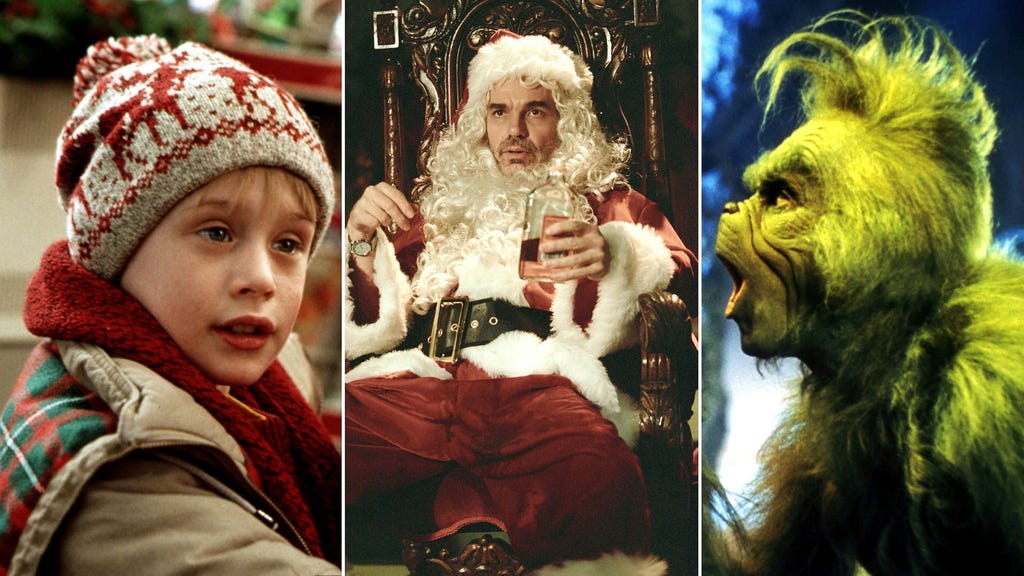
The transition from gårdstomte to the modern Santa Claus involved a gradual shift from ambiguous trickster to a predominantly benevolent gift-giver. However, even this modern figure retains vestiges of his ambivalent past. The concept of Santa’s “naughty or nice” list, wherein children are judged and rewarded or punished accordingly, serves as a subtle reminder of the potential for reprisal inherent in the figure. This duality allows for explorations of the darker side of Christmas, as seen in films like "Bad Santa," which presents a crude, alcoholic conman exploiting the holiday for personal gain. These portrayals tap into the anxieties and frustrations sometimes associated with the pressures and expectations of Christmas, offering a cathartic, albeit often crude, release.
Beyond the figure of Santa, other Christmas villains populate cultural narratives. From the Grinch, whose heart is "two sizes too small," to the mischievous Mårran in Tove Jansson’s "Moominland Midwinter," these characters embody the spirit of disruption and discontent. Their presence serves as a foil to the idealized Christmas spirit, highlighting the potential for discord and negativity amidst the festivities. Often, these figures undergo a transformation, ultimately embracing the spirit of Christmas, but their initial antagonism provides a compelling narrative arc.
The enduring appeal of these anti-Christmas figures lies in their ability to challenge the often-idealized portrayal of the holiday. Christmas, for many, can be a source of stress, financial strain, and familial conflict. The disgruntled Santa or the mischievous gnome provides a relatable outlet for these frustrations, allowing audiences to engage with the darker emotions associated with the holiday in a safe and often humorous way. Furthermore, these figures offer a contrasting lens through which to examine the true meaning of Christmas, often highlighting the importance of empathy, compassion, and genuine connection amidst the commercialism and societal pressures.
The cinematic exploration of flawed Christmas experiences extends beyond simply villainous Santas. Films like "Home Alone," while comedic, depict a child abandoned by his family and resorting to violent measures to protect his home. This narrative, while exaggerated for comedic effect, touches upon the anxieties of separation and vulnerability that can be amplified during the holidays. Even classic Christmas films like "It’s a Wonderful Life" delve into darker themes of despair and contemplate suicide, ultimately reaffirming the value of human connection and community support.
The continued exploration of the "bad Christmas" trope in film and other media suggests a persistent cultural fascination with the darker side of the holidays. These narratives provide a space to acknowledge the complexities of human experience, even during a season typically associated with unbridled joy. By confronting the potential for disappointment, frustration, and even malevolence, these stories offer a more nuanced and relatable portrayal of the holiday season, allowing audiences to find humor, catharsis, and perhaps even a deeper appreciation for the true spirit of Christmas. The enduring presence of the bad Santa, the mischievous gnome, and the dysfunctional family gathering in our cultural narratives suggests that the dark side of Christmas is not just a fleeting trend but a reflection of the multifaceted nature of the holiday itself.