



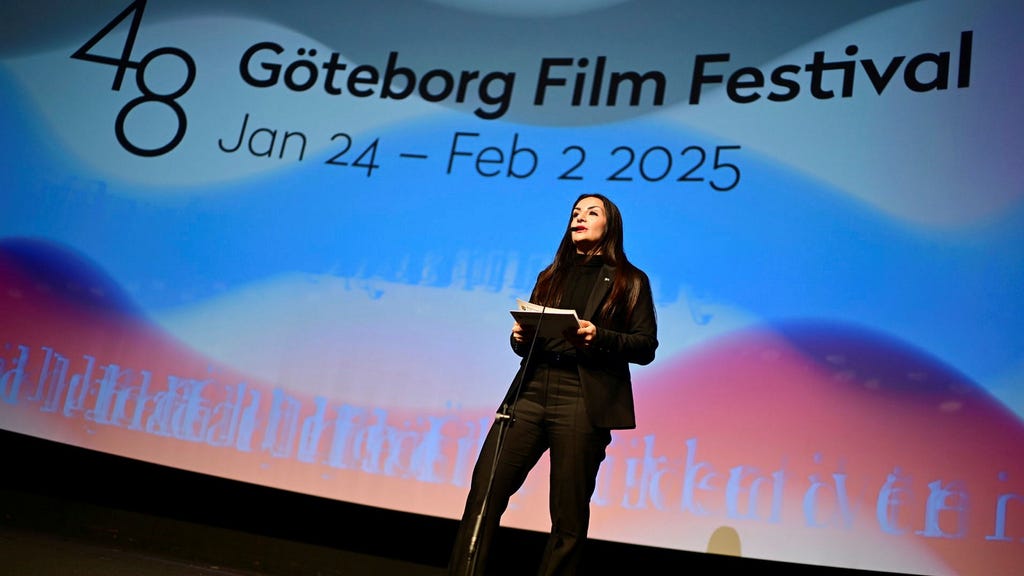
The inauguration of the Gothenburg Film Festival by Sweden’s Minister for Culture, Parisa Liljestrand, was met with a frosty reception, marked by boos and strong criticism from prominent figures within the film industry. Her speech, delivered on a Friday evening, ignited a firestorm of controversy, further fueled by her absence from a film policy meeting earlier that day. Liljestrand’s address focused on the government’s film policy priorities, emphasizing fiscal responsibility and a resistance to increasing public funding for the industry. She argued that the role of politics is not to be ”best friends” with the film sector, nor to continually increase taxes to meet the industry’s demands. This stance, coupled with her critical remarks about the Guldbagge Awards (Sweden’s equivalent of the Oscars) and the flow of film revenue, created a palpable tension between the minister and the film community. Her assertion that film revenue should benefit creators, not criminals, while seemingly unobjectionable, further contributed to the overall negative perception of her address, seemingly interpreted as an insinuation of impropriety within the industry.
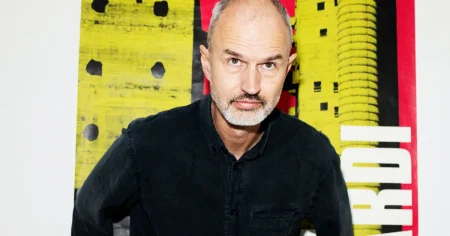
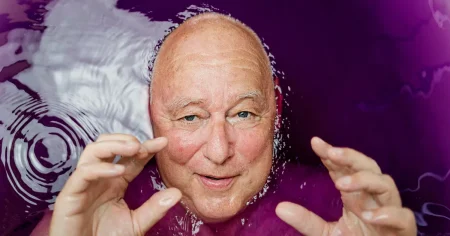
The immediate reactions to Liljestrand’s speech were swift and overwhelmingly negative. Helena Lindblad, film editor for the prominent newspaper Dagens Nyheter (DN), labeled the minister ”the cultural killjoy of the year,” criticizing her for creating a hostile atmosphere. Hynek Pallas, writing for Göteborgs-Posten, characterized the inauguration as a ”display of total ignorance of a Film Sweden bleeding from all holes,” highlighting the perceived disconnect between the minister and the struggling film industry. Pia Lundberg, the artistic director of the Gothenburg Film Festival, described the speech as ”aggressive,” further underscoring the perceived hostility emanating from the minister’s remarks. These critiques painted a picture of a minister out of touch with the realities and needs of the film sector, further exacerbating the existing tensions.
The core of the controversy revolved around Liljestrand’s emphasis on fiscal constraint and her apparent reluctance to increase government support for the film industry. Her comments were interpreted by many within the film community as a sign of the government’s disregard for the arts and a lack of understanding of the financial challenges facing filmmakers. The minister’s absence from the earlier film policy meeting only served to amplify this perception, suggesting a lack of engagement with the industry’s concerns. The incident highlighted a fundamental disagreement about the role of government in supporting the arts, with the minister prioritizing fiscal prudence over what the industry perceived as essential funding for its survival and growth.
Liljestrand’s subsequent response on Instagram did little to quell the criticism. She reiterated her focus on the government’s mandated film policy priorities, thanking those who listened but failing to address the concerns raised by the industry. This response was seen by some as dismissive, further widening the gap between the minister and the film community. DN’s attempts to reach the minister for further comment were met with a referral to her Instagram post, reinforcing the impression of a lack of willingness to engage in a meaningful dialogue.
The controversy surrounding Liljestrand’s appearance at the Gothenburg Film Festival underscores a deeper tension between the current government’s fiscal policies and the needs of the Swedish film industry. The incident highlighted the challenges faced by the arts sector in advocating for government support in a climate of economic constraint. The strong reactions from industry figures and commentators underlined the importance of open communication and collaboration between government and the arts community to ensure the continued vitality of Swedish cinema. The incident served as a stark reminder of the delicate balance between artistic expression and economic realities in the cultural landscape.
The broader context of this controversy includes the government’s efforts to combat illegal IP-TV, a move seen by some as a positive step towards protecting intellectual property and supporting the film industry. However, this action alone appears insufficient to address the deeper financial concerns raised by the film community. The clash at the Gothenburg Film Festival highlights the need for a more comprehensive and nuanced approach to film policy, one that balances fiscal responsibility with the need to nurture and support a vibrant cultural sector. The incident serves as a case study in the challenges of navigating the complex relationship between government, the arts, and the economic realities of the modern world.