




Christopher Isherwood’s “Goodbye to Berlin” offers a chillingly quiet depiction of democracy’s erosion in pre-war Germany. From his Berlin window, Isherwood observes seemingly insignificant incidents: a grotesque demonstration, a street assault, black-clad hordes smashing windows. These isolated events foreshadowed the looming catastrophe, a gradual descent into tyranny marked not by a sudden coup, but by incremental acts of violence and intimidation. This subtle erosion of normalcy parallels contemporary concerns about the fragility of democratic systems. The seemingly small acts of aggression, the escalating rhetoric, the growing polarization – these are all echoes of the past, reminding us that vigilance is essential in safeguarding democratic values.
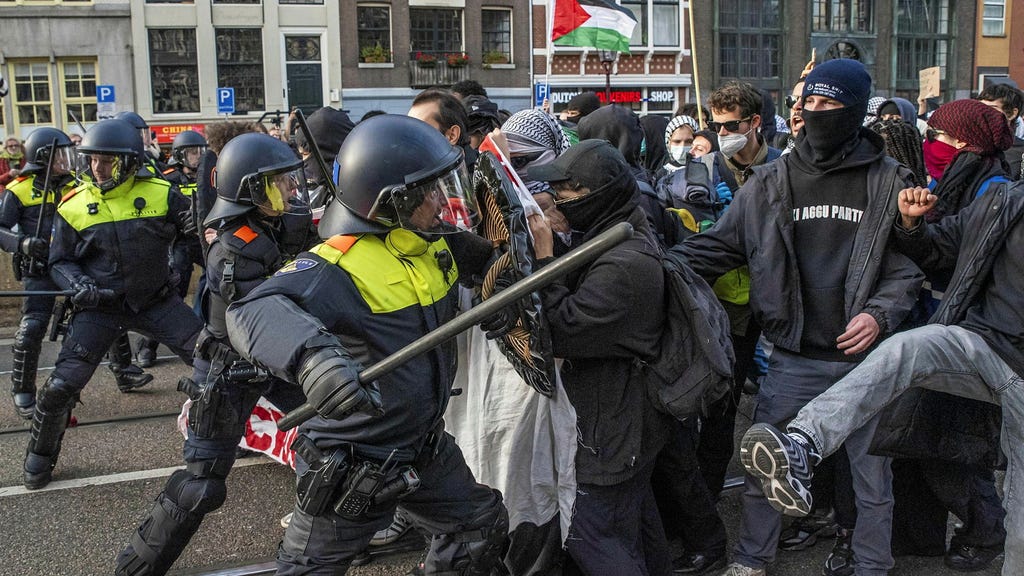
The streets, once spaces for democratic discourse and assembly, are increasingly becoming theaters of aggression and performative outrage. Social media amplifies this trend, flooded with clips of violent clashes during demonstrations across Europe, including Sweden. The anger, often channeled by masked individuals, manifests in shouts, rushes, and occasionally, outright violence. This public display of rage, often fueled by extremist ideologies on both the left and right, undermines the foundation of civil discourse. The ubiquitous presence of mobile phones, thrust into faces, captures not only the events, but also the pervasive sense of passive-aggressive engagement that characterizes much of contemporary political interaction. This performative activism, driven by the desire for online notoriety, often overshadows genuine attempts at dialogue and understanding.
Democracy, in its ideal form, is a system where the majority decides the course of action while protecting the rights of minorities. This intricate balance relies on open dialogue, respectful debate, and acceptance of electoral outcomes. However, this delicate equilibrium is disrupted by acts of violence and intimidation. When reasoned debate is replaced by shouting, and consensus-building by aggression, the very essence of democracy is threatened. The act of throwing a stone, the roar of the mob, these are not merely expressions of anger, but deliberate attempts to stifle dialogue and impose one’s will through intimidation. This silencing effect disproportionately harms minority groups, who often rely on democratic processes for protection and representation.
Extremist groups, both on the left and right, often romanticize street violence as a legitimate form of political expression. The far-left’s historical embrace of “street parliament” is mirrored by the far-right’s use of marches, intimidation tactics, and inflammatory rhetoric. Both extremes share a disdain for reasoned debate, preferring confrontation and the silencing of opposing voices. This convergence of extremes creates a hostile environment for the majority who seek to resolve conflicts through democratic processes. The escalating violence and polarization serve only to empower the fringes, while marginalizing the voices of moderation.
The consequences of this growing trend are alarming. The increasing need for security measures, such as the netting installed in the Swedish parliament to protect politicians from projectiles, symbolizes the erosion of trust and the normalization of aggression. Such incidents, though seemingly isolated, represent a broader societal shift towards intolerance and the rejection of democratic norms. The act of throwing a tomato, while not physically harmful, carries a symbolic weight, demonstrating a disregard for democratic institutions and a willingness to resort to disruptive tactics. This undermines public faith in the system and reinforces the perception that violence and intimidation are acceptable forms of political expression.
We face a crucial juncture where we must reaffirm our commitment to democratic values. This involves rejecting violence, embracing reasoned discourse, and respecting the rights of all, including those with whom we disagree. A starting point would be to cultivate a culture of respectful engagement, both online and offline. This entails refraining from shouting, masking one’s identity to avoid accountability, using mobile phones aggressively to intimidate, and of course, rejecting all forms of violence. The future of democracy depends on our collective ability to resist the allure of extremism, uphold the principles of civil discourse, and protect the institutions that safeguard our freedoms. This requires not only individual responsibility, but also a concerted effort from political leaders, educators, and the media to promote tolerance, understanding, and a commitment to democratic principles.