

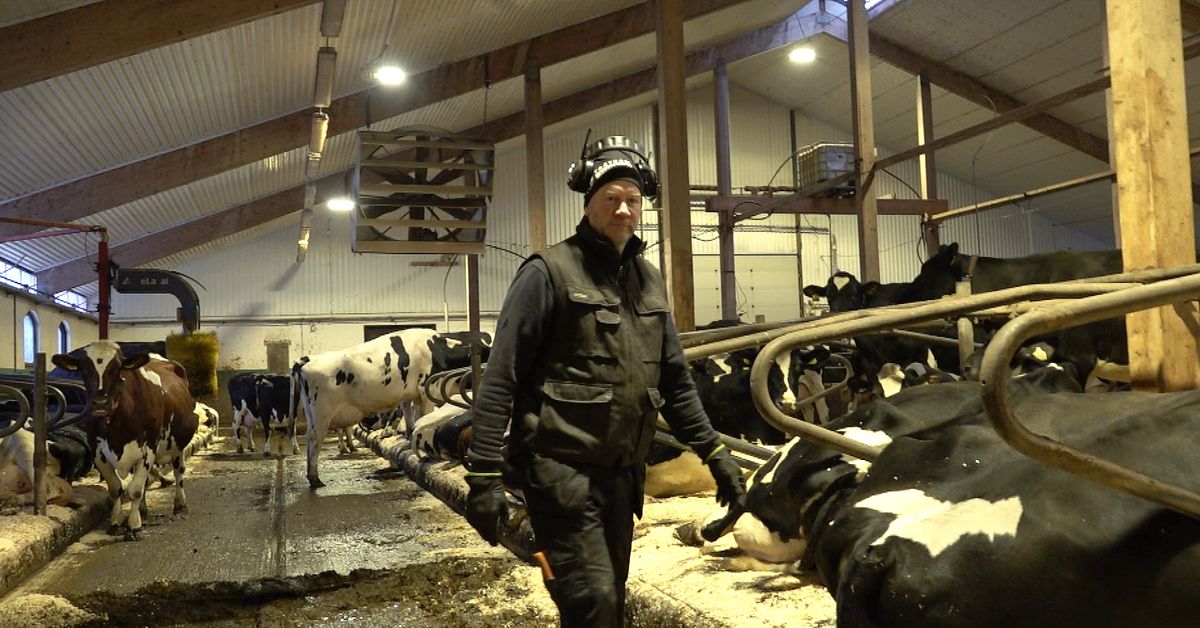
Norrmejerier, a dairy cooperative primarily based in the northern Swedish regions of Norrbotten and Västerbotten, is facing a critical decline in its membership. Currently, the cooperative consists of 250 members, a number that dwindles by approximately 20 each year. This alarming trend, according to Göran Olofsson, a dairy farmer and chairman of Norrmejerier, poses a severe threat to the long-term viability of milk production in northern Sweden and, consequently, the region’s food security. He urgently calls upon the Swedish government to intervene and implement measures to mitigate this escalating crisis. The dwindling number of dairy farmers not only jeopardizes local food production but also increases the nation’s dependence on imported dairy products. This reliance on external sources creates vulnerability in an already unstable global landscape characterized by fragile supply chains and escalating geopolitical tensions.
The primary demand from the dairy farmers is the indexation of the existing national support. This measure, according to Olofsson, would provide immediate financial relief and contribute to the sustainability of their operations. Indexation, which has been implemented in the past, would adjust the support payments to reflect the rising costs of production, ensuring that farmers can maintain profitability in the face of inflationary pressures. The current economic climate, marked by escalating input costs for feed, energy, and labor, is squeezing profit margins and making it increasingly challenging for dairy farmers to stay afloat. Without adequate support, the exodus of farmers from the industry is likely to continue, further exacerbating the already precarious situation.
The decline of dairy farms in Norrland represents a broader national concern extending beyond regional food security. The decreasing domestic production necessitates increased reliance on imported dairy products, exposing Sweden to potential disruptions in global supply chains and price volatility. It also undermines the nation’s self-sufficiency in a crucial food sector, creating a strategic vulnerability in times of global uncertainty. This issue underscores the broader challenges facing Swedish agriculture, particularly the decline in profitability and competitiveness that has plagued the sector for decades. Since the late 1980s, a staggering 90% of Swedish dairy farms have ceased operations, highlighting the severity and long-standing nature of the crisis.
Recognizing the critical role of milk production in Swedish agriculture, Minister for Rural Affairs Peter Kullgren acknowledges the alarming trend and the potential consequences for national food security. He points to the government’s commitment to addressing the challenges facing the agricultural sector, citing the establishment of an inquiry titled ”Strengthened Competitiveness for Food Producers and Strong Animal Welfare.” This investigation aims to identify concrete measures to bolster the viability and sustainability of Swedish food production, including the dairy sector, while upholding high standards of animal welfare. The inquiry reflects the government’s recognition of the need for comprehensive and multifaceted solutions to address the complex challenges confronting the agricultural sector.
The inquiry, according to Kullgren, has yielded a comprehensive set of proposals that are currently under review within the government. While the specific details of these proposals remain undisclosed, their focus on enhancing competitiveness and bolstering animal welfare suggests a multi-pronged approach. The minister also highlights other government initiatives aimed at supporting the agricultural sector, including a significant increase in funding for Sweden’s strategic plan for the Common Agricultural Policy, totaling 746 million kronor. This financial injection aims to provide additional support for farmers and promote sustainable agricultural practices.
Further demonstrating the government’s commitment to the agricultural sector, Kullgren emphasizes investments in research and development along with the establishment of a knowledge hub for animal husbandry. These initiatives aim to foster innovation, improve efficiency, and enhance the overall competitiveness of the Swedish agricultural sector. The knowledge hub will serve as a platform for disseminating best practices, promoting knowledge exchange, and facilitating collaboration among stakeholders within the animal husbandry industry. These combined efforts signify the government’s acknowledgment of the critical need to support and revitalize the agricultural sector, ensuring its long-term sustainability and contribution to national food security. The ongoing review of the inquiry’s proposals and the implementation of complementary initiatives underscore the government’s commitment to addressing the complex challenges facing Swedish agriculture, including the urgent need to reverse the decline in dairy farming.