


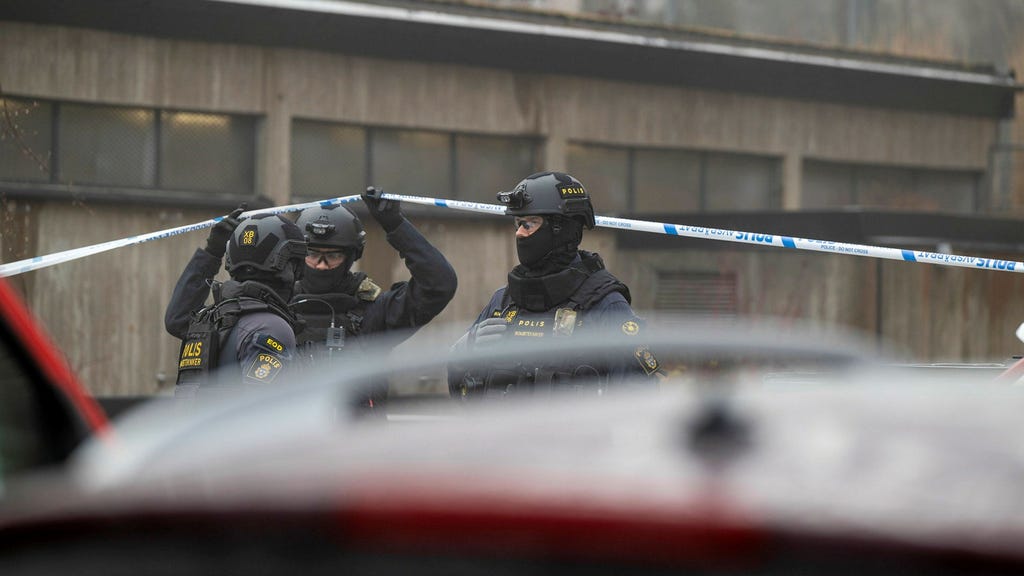
A surge of explosions rocked Sweden in January 2024, particularly concentrating in the Stockholm area, adding to an already concerning trend of similar incidents. On Tuesday, January 28th alone, three separate explosions occurred within hours of each other, exacerbating the anxiety of residents and prompting urgent police investigations. The first incident took place in Kärrtorp at approximately 4:05 am, targeting a residential building. While the damage to the building’s entrance was relatively minor, the blast startled residents, many of whom were preparing for their day. A sense of unease and resignation permeated the community, with one resident lamenting the growing normalcy of such events. Police cordoned off the area, disrupting commutes and daily routines as investigators combed the scene for evidence. The incident was classified as gross public endangerment.
Later that same morning, at approximately 8:45 am, another explosion occurred just a short distance away in Bagarmossen. This blast targeted a residential balcony, causing damage to a window and scattering debris across the area. The close proximity in time and location of the two explosions raised concerns of a possible connection, intensifying the sense of unease among residents. In a stroke of luck for law enforcement, two individuals who were already wanted in connection with another, unspecified crime were apprehended at the scene. While not initially suspects in the Bagarmossen explosion, their presence at the scene made them persons of interest in the investigation, which was also classified as gross public endangerment and a violation of explosives regulations. Police reported finding significant evidence at the scene, suggesting a promising lead in the case. The recurring explosions fueled feelings of fear and insecurity among residents, some of whom expressed anxiety about their safety and ability to sleep peacefully.
The two Stockholm explosions were not isolated incidents. Earlier that Tuesday, a shooting occurred in Hallonbergen, Sundbyberg, north of Stockholm, around 1:00 am. While no one was apprehended, the incident was being investigated as attempted murder and a weapons offense. Adding to the widespread unrest, another explosion occurred in Ödåkra, outside Helsingborg, around 3:00 am, targeting a residential villa. Fortunately, no injuries were reported in any of these incidents, but the increasing frequency of such violent acts has prompted alarm and calls for action.
These events bring the total number of explosions in Sweden during January to a staggering 30, with many concentrated in the Stockholm region. The wave of violence hasn’t been without casualties; earlier in the month, on January 27th, an individual was injured in an explosion in Bro, north of Stockholm, highlighting the very real danger these incidents pose. The explosion in Bro was particularly disturbing, as the explosive device was reportedly placed near a window while the victim slept inside, underscoring the callous nature of these attacks. The escalating violence has sparked public outcry and pushed authorities to take decisive action.
Following the 24th explosion, Justice Minister Gunnar Strömmer held an urgent meeting with police officials to address the escalating crisis. He publicly condemned the situation, stating that such rampant violence is unacceptable in a decent society. The string of explosions points to a growing problem with organized crime and the easy availability of explosives. While the exact motives behind these incidents are still under investigation, authorities suspect that some, if not many, are related to extortion attempts or other criminal activities.
A chronological list of the explosions in January illustrates the widespread nature of the problem, with incidents occurring across the country in cities like Gothenburg, Täby, Stockholm, Mölndal, Tumba, Nyköping, Sigtuna, Botkyrka, Västerås, Huddinge, Eskilstuna, Uppsala, Haninge, Malmö, Nacka, and Helsingborg, in addition to the aforementioned locations. This pattern suggests a complex and potentially interconnected web of criminal activity, rather than isolated incidents. The ongoing investigations are crucial not only for bringing the perpetrators to justice but also for understanding the underlying causes of this alarming trend and implementing effective measures to prevent future occurrences. The events of January 2024 serve as a stark reminder of the challenges facing Swedish society and the urgent need for comprehensive strategies to address the rising tide of violence.