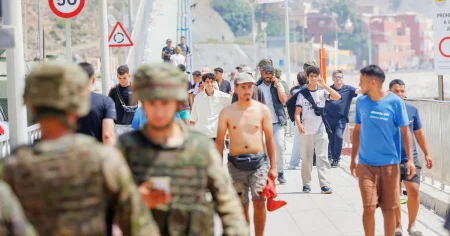


The escalating tension in Southern Lebanon took a violent turn on Sunday when the Israeli Defense Forces (IDF) opened fire on Lebanese civilians attempting to return to their villages near the border, according to the Lebanese Ministry of Health. The incident, occurring in the villages of Houla and Kfar Kila, resulted in the death of two civilians and left 32 others injured. This act of aggression, as termed by the Lebanese Ministry of Health, occurred against the backdrop of a delayed Israeli withdrawal from Southern Lebanon, escalating tensions in the region and sparking protests from residents eager to reclaim their homes. Some of the protestors were reported to be carrying Hezbollah flags, further complicating the already volatile situation.
The attack transpired on the day the IDF was initially scheduled to withdraw from Southern Lebanon as per a ceasefire agreement with Hezbollah. However, Israel announced a postponement of the withdrawal on Friday, citing delays in the deployment of Lebanese government troops and the perceived insufficient retreat of Hezbollah forces from the border area. This delay fueled the frustration of displaced residents, prompting them to attempt a return despite the IDF’s explicit prohibition. The IDF’s response with live fire ignited further outrage and condemnation. The Lebanese government maintains that the country’s sovereignty and territorial integrity are non-negotiable, further underscoring the sensitive nature of the ongoing situation.
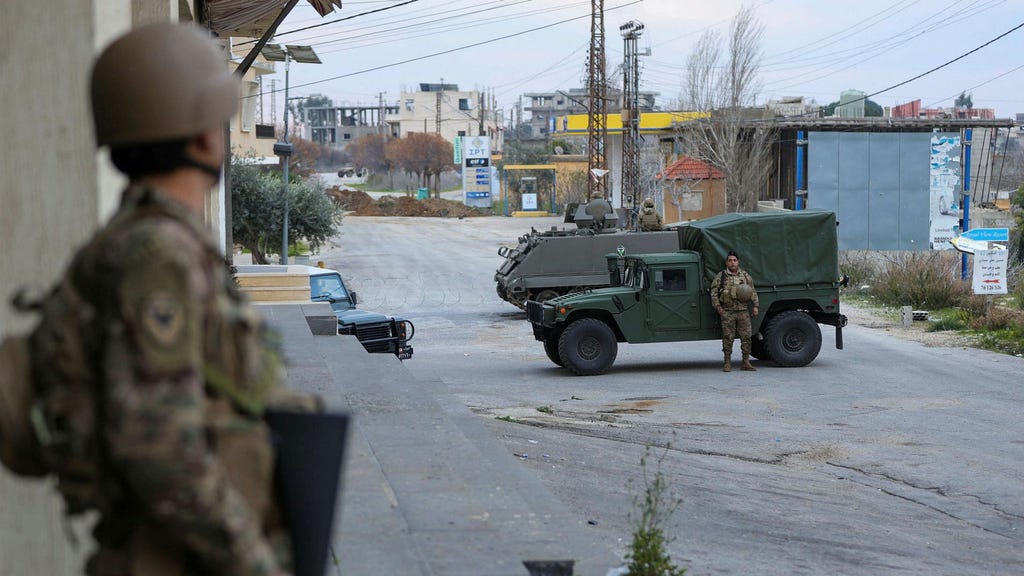
Lebanese President Michel Aoun responded to the incident by calling for calm and restraint, urging the Lebanese people to trust the Lebanese Armed Forces (LAF). Simultaneously, the LAF has been actively working alongside the United Nations Interim Force in Lebanon (UNIFIL) to increase their presence in Southern Lebanon, gradually filling the security vacuum left by the retreating Israeli troops. The LAF also issued a statement, confirming their efforts to escort civilians back to their homes in the border region while emphasizing the importance of adhering to military instructions for their safety. This coordinated effort aims to ensure a controlled and secure return of displaced populations while minimizing the risk of further clashes.
The IDF’s actions contradict the ongoing efforts to establish peace and stability in the region following the ceasefire agreement with Hezbollah. The Lebanese government’s insistence on its territorial integrity underscores the delicate balance of power in the area. The presence of Hezbollah flags among the returning residents adds another layer of complexity to the situation, hinting at the group’s influence in the region and potentially exacerbating tensions with Israel. The IDF’s decision to open fire on civilians attempting to reclaim their homes has sparked international concern and raised questions about the proportionality of the response.
The incident highlights the fragility of the ceasefire and the challenges in achieving a lasting peace in the region. The delayed withdrawal of Israeli forces, coupled with the perceived slow deployment of Lebanese government troops and the persistent presence of Hezbollah, creates a volatile mix. The IDF’s response adds fuel to the fire, potentially triggering further escalation. The international community is closely monitoring the situation, emphasizing the need for all parties to exercise restraint and uphold their commitments to the ceasefire agreement. The safety and well-being of the Lebanese civilians caught in the crossfire remain a paramount concern.
The events of Sunday underscore the urgent need for a diplomatic solution to the ongoing tension in Southern Lebanon. The IDF’s actions must be thoroughly investigated, and accountability must be ensured to prevent further violence. The international community must play a more active role in facilitating communication and de-escalation between the involved parties. The Lebanese government must accelerate the deployment of its forces in the border region to maintain security and facilitate the safe return of displaced residents. A strengthened UNIFIL presence is crucial to monitor the situation and prevent further clashes. Ultimately, a sustainable resolution requires addressing the underlying causes of the conflict, including the unresolved issues relating to Hezbollah’s presence and the delineation of the border.