

Paragraph 1: A Contested Presidential Selection
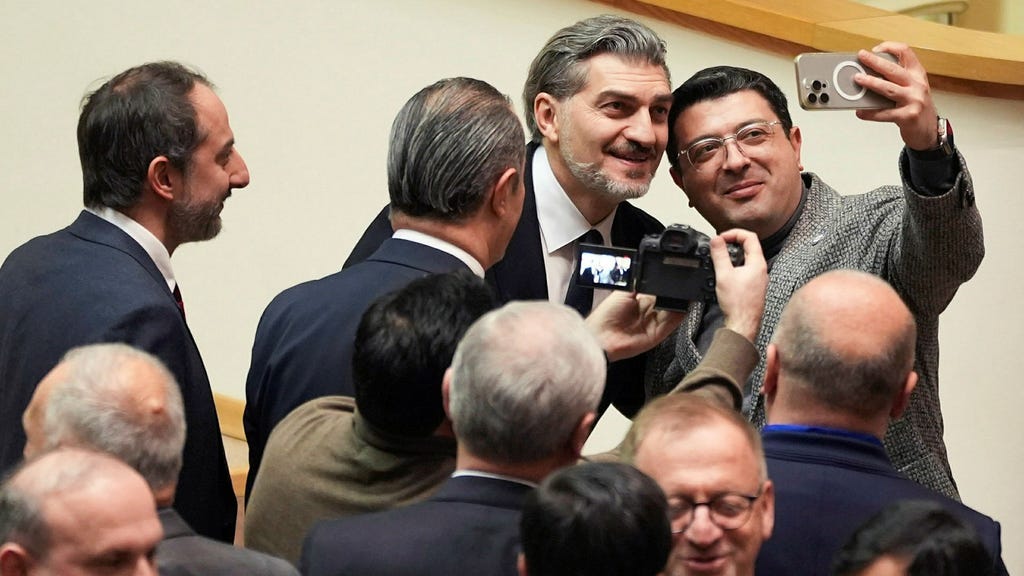
Georgia finds itself embroiled in a political crisis following the controversial selection of Mikheil Kavelashvili as the country’s next president. Unlike previous presidential elections, this selection process deviated from the traditional popular vote and instead utilized a specially formed electoral college dominated by the ruling Georgian Dream party. The opposition, denouncing the process as illegitimate, boycotted the proceedings, resulting in an assembly composed solely of Georgian Dream representatives and other loyalists. This move further exacerbated existing tensions between the government and opposition, which were already heightened by disputed parliamentary elections earlier in the year. The opposition, along with international bodies like the European Parliament, had alleged widespread electoral fraud in the parliamentary elections, casting a long shadow over the legitimacy of the Georgian Dream’s governance.
Paragraph 2: Kavelashvili: A Controversial Figure
Mikheil Kavelashvili, the sole nominee for the presidency, is a former football player with a history of controversial stances. Known for his outspoken criticism of Western influence in Georgia and his opposition to LGBTQ+ rights, Kavelashvili embodies a particular brand of Georgian nationalism. Bidzina Ivanishvili, the de facto leader of Georgian Dream, lauded Kavelashvili as the candidate who “best embodies the Georgian man,” signaling the party’s alignment with a more conservative and culturally traditional vision for the country. Kavelashvili’s nomination further solidifies the divide between the ruling party and the opposition, who see him as a symbol of the government’s authoritarian tendencies and its disregard for democratic norms and minority rights.
Paragraph 3: A Political Landscape Rife with Tension
Kavelashvili’s presidential selection unfolds against a backdrop of simmering political unrest. The parliamentary elections held in October 2024 were marred by accusations of fraud, leading to widespread protests and condemnation from both the domestic opposition and international observers. The opposition’s refusal to recognize the election results and their subsequent boycott of parliament further deepened the political divide. The government’s decision to freeze EU membership talks until 2028 further inflamed tensions, igniting even larger and more volatile demonstrations. The streets of Tbilisi, the capital, became the focal point of public discontent, with protesters demanding new elections and an end to what they perceive as government corruption and a drift towards authoritarianism.
Paragraph 4: The President’s Defiance and a Deepening Crisis
Adding another layer of complexity to the situation, incumbent President Salome Zourabichvili refused to recognize Kavelashvili’s selection and has vowed to remain in office. Her defiance sets the stage for a potential constitutional crisis, with two individuals claiming the presidency. Zourabichvili’s stance aligns her with the opposition and further delegitimizes the Georgian Dream’s efforts to consolidate power. This stand-off between the president and the ruling party throws into question the future of governance in Georgia and raises concerns about potential instability and further escalation of the ongoing political crisis.
Paragraph 5: A Precarious Presidency and Popular Resistance
Given the prevailing political climate, Kavelashvili’s presidency appears precarious from the outset. The opposition’s boycott of parliament, President Zourabichvili’s refusal to step down, and the persistent public protests all pose significant challenges to his authority. The streets continue to be a site of resistance, with demonstrators voicing their discontent against the electoral process and the government’s policies. These protests, coupled with the broader political opposition, create a volatile environment that threatens to undermine Kavelashvili’s ability to govern effectively and casts a shadow over his legitimacy as president. The widespread perception of his selection as undemocratic and illegitimate further complicates his ability to unite the country and address the pressing challenges it faces.
Paragraph 6: A Nation at a Crossroads
Georgia finds itself at a critical juncture. The political crisis surrounding Kavelashvili’s selection as president has exposed deep divisions within the country and raised serious concerns about the future of its democracy. The escalating tensions between the government and the opposition, the contested election results, and the widespread public protests underscore the fragility of Georgia’s political landscape. The government’s decision to postpone EU membership talks has further alienated a significant portion of the population who aspire to closer ties with Europe. The path forward remains uncertain, with the potential for further instability and conflict looming large. The country’s ability to navigate this crisis and find a path towards reconciliation and democratic stability will depend on the willingness of all stakeholders to engage in dialogue and find common ground.