


The death of Russian Lieutenant General Igor Kirillov, head of the Russian military’s radiological, chemical, and biological defense troops, has sparked considerable speculation regarding Ukrainian involvement. While Kyiv has remained officially silent, sources close to the Security Service of Ukraine (SBU) have indicated their responsibility to news outlets, suggesting a deliberate leak aimed at both claiming credit and disseminating a narrative beneficial to Ukraine. This tactic, mirroring previous instances involving the deaths of prominent Russian figures, reflects a calculated ambiguity often employed by Ukrainian security services, partly due to pressure from the United States to refrain from such actions within Russia. This ambiguous approach allows Ukraine to maintain plausible deniability while simultaneously bolstering domestic morale and projecting an image of strength and defiance.
Kirillov’s role in disseminating Russian propaganda played a significant factor in his targeting. He was a vocal proponent of disinformation campaigns accusing Ukraine of preparing to use ”dirty bombs” and alleging the presence of US-operated biological warfare labs within the country. These demonstrably false claims, however, resonated within Russia and served to justify the ongoing war. Furthermore, Ukraine accuses Kirillov of orchestrating the use of chemical weapons against Ukrainian soldiers, citing over 4,800 instances of chemical grenades being deployed via drones, resulting in numerous casualties. These accusations culminated in Kirillov being indicted for war crimes by Ukrainian prosecutors just before his death, further highlighting the strategic implications of his demise.
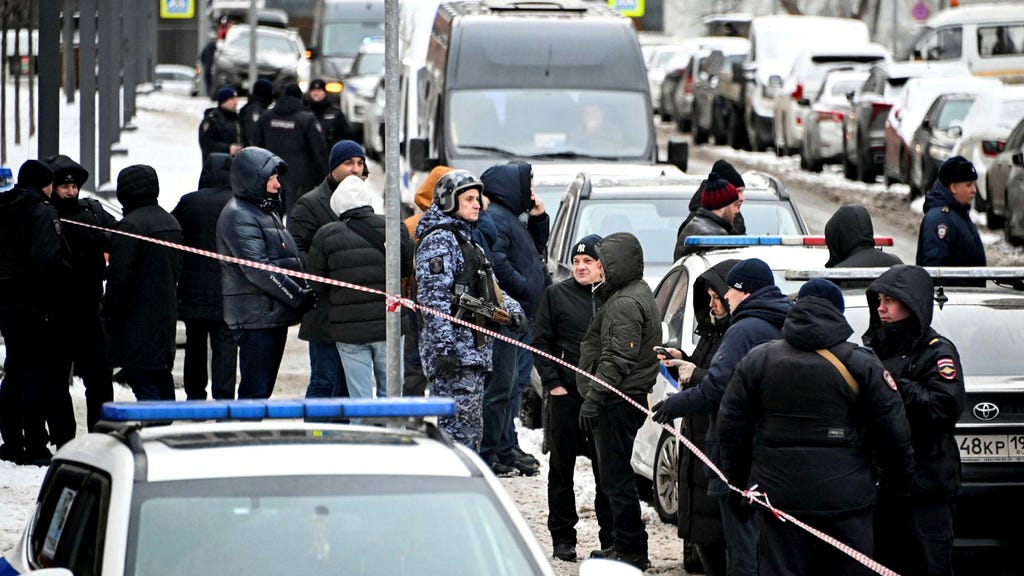
The timing of Kirillov’s death, occurring amidst Russian advances in the Donetsk region, provides a much-needed morale boost for Ukrainians. The apparent assassination, reportedly taking place outside his residence in Moscow, sends a chilling message to other high-ranking Russian officials and propagandists: nowhere is safe, not even within the heart of Russia. This calculated act of violence not only fosters a sense of retribution among Ukrainians but also potentially disrupts the Russian war effort by diverting resources towards internal security and creating an atmosphere of paranoia within the Kremlin’s inner circle.
The targeting of individuals like Kirillov serves multiple purposes for Ukraine. Primarily, it sows fear and uncertainty within the ranks of the Russian military and political elite, forcing them to reassess their security and potentially curtailing their public pronouncements in support of the war. The assassination demonstrates Ukraine’s capability to reach deep within Russian territory, undermining the Kremlin’s sense of security and potentially diverting resources away from the front lines and towards internal protection. This psychological warfare tactic aims to disrupt the Russian war machine from within, fostering dissent and eroding confidence in the leadership.
Secondly, such actions resonate strongly with the Ukrainian public, providing a symbolic victory at a time when battlefield gains are scarce. In the face of Russian aggression and territorial gains, these targeted attacks project an image of Ukrainian resilience and a willingness to strike back, even within the perceived safety of Russia. This boosts morale and reinforces public support for the war effort, crucial for maintaining national unity during a protracted conflict. The narrative of a targeted strike against a key figure in the Russian disinformation apparatus serves as a powerful counter-narrative to Russian propaganda, reinforcing the Ukrainian perspective on the conflict and galvanizing public opinion.
While the long-term impact of these targeted attacks remains uncertain, their immediate effects are undeniable. They inject a sense of vulnerability into the Russian leadership, disrupt the propaganda narrative, and bolster Ukrainian morale. Whether or not these actions escalate will largely depend on the logistical feasibility and the political calculus of both sides. However, it’s highly probable that Ukraine will continue to pursue such tactics as long as they perceive them as effective tools in their fight for survival. The assassination of figures like Kirillov demonstrates a clear shift in the nature of the conflict, blurring the lines between conventional warfare and covert operations, with potentially far-reaching implications for the future of the war. It also highlights the increasing importance of information warfare and psychological operations as both sides attempt to gain an advantage not only on the battlefield but also in the hearts and minds of their populations.