

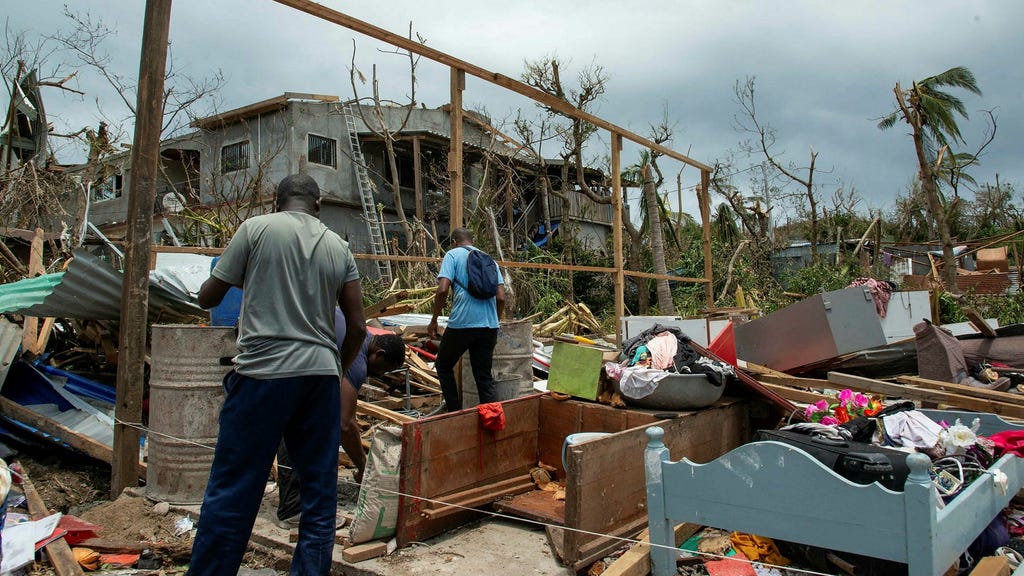
The French island archipelago of Mayotte is grappling with the devastating aftermath of Cyclone Chido, a powerful storm that has left a trail of destruction and sparked fears of a public health crisis. While rescue workers race against time to locate missing individuals and provide aid to those affected, concerns are mounting over the potential spread of infectious diseases among the vulnerable population. The cyclone’s impact has disrupted essential infrastructure, including sanitation systems and healthcare facilities, creating ideal conditions for the proliferation of waterborne and vector-borne illnesses. The combination of stagnant water, damaged sewage systems, and displacement of large numbers of people into crowded shelters elevates the risk of outbreaks of diseases such as cholera, typhoid fever, dengue fever, and malaria.
The already fragile healthcare system on Mayotte is now further strained by the influx of injured individuals and the growing threat of epidemics. The limited resources, coupled with the disruption of supply chains and communication networks, pose significant challenges to providing adequate medical care and implementing effective disease control measures. The lack of access to clean water, sanitation facilities, and essential medicines exacerbates the vulnerability of the affected population, particularly children, the elderly, and those with pre-existing medical conditions. International aid organizations are working alongside local authorities to deliver emergency supplies, restore basic services, and implement public health interventions to mitigate the risk of disease outbreaks.
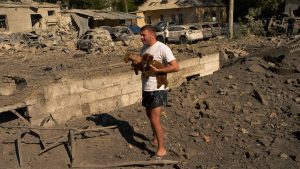
The scale of the devastation on Mayotte is vast, with widespread damage to homes, businesses, and critical infrastructure. Many areas remain inaccessible due to flooding, landslides, and debris-strewn roads, hindering rescue efforts and delaying the delivery of aid. The true extent of the damage and the number of casualties are still being assessed, as communication with some of the more remote islands remains limited. The cyclone has not only caused immediate physical destruction but also poses long-term challenges for the island’s recovery and reconstruction. The disruption of economic activities, damage to agricultural lands, and displacement of communities will have lasting consequences for the livelihoods and well-being of the people of Mayotte.
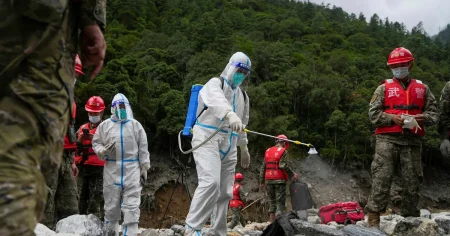
The immediate priorities for the relief efforts are to search for and rescue missing persons, provide emergency shelter, food, and water to those affected, and restore basic services such as sanitation and healthcare. Health surveillance systems are being strengthened to monitor for signs of disease outbreaks and implement rapid response measures if needed. Vaccination campaigns against preventable diseases are being considered, and public health education initiatives are being launched to promote hygiene practices and raise awareness about the risks of infectious diseases. The international community is mobilizing resources to support the relief and recovery efforts, providing financial assistance, medical supplies, and technical expertise.
The situation on Mayotte underscores the vulnerability of island nations to the impacts of extreme weather events, which are becoming more frequent and intense due to climate change. The cyclone serves as a stark reminder of the importance of investing in disaster preparedness and resilience-building measures, including strengthening early warning systems, improving infrastructure, and enhancing community capacity to respond to and recover from natural disasters. The long-term recovery of Mayotte will require a concerted effort from local authorities, international partners, and the community to rebuild infrastructure, revitalize the economy, and address the underlying vulnerabilities that exacerbate the impact of such events.
Beyond the immediate response, it is crucial to address the underlying factors that contribute to the vulnerability of communities to natural disasters. This includes strengthening building codes, promoting sustainable land use practices, investing in climate change adaptation measures, and empowering local communities to participate in disaster risk reduction initiatives. The experience of Mayotte highlights the interconnectedness of environmental, social, and economic factors in shaping disaster resilience and underscores the need for a holistic approach to disaster management that integrates these dimensions. The international community must work together to support vulnerable nations in building their resilience to the growing threat of climate-related disasters and ensure that they have the capacity to cope with and recover from such events.