
Swedish Defense Minister’s Remarks on Potential Troop Deployment to Ukraine Spark Debate
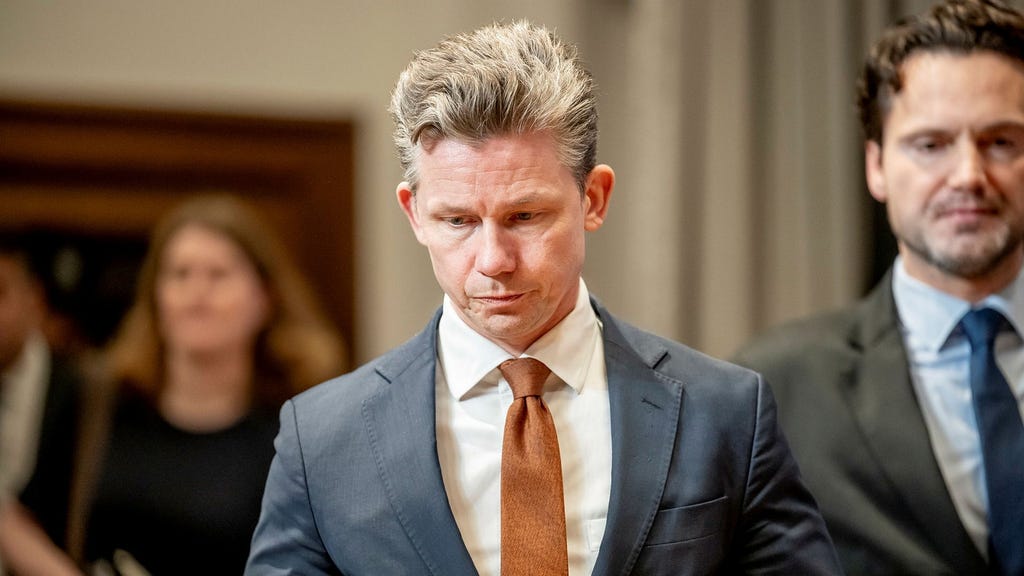
In a recent interview with the Kyiv Independent, Swedish Defense Minister Pål Jonson responded to a question about Sweden’s potential participation in a NATO or European troop deployment to Ukraine for training, air defense, or frontline support. Jonson stated that he "does not rule out the possibility," a remark that has sparked considerable discussion both within Sweden and internationally. While Jonson clarified that his comments primarily pertained to training missions under the EU Military Assistance Mission Ukraine (EUMAM Ukraine), the initial ambiguity of his statement led some to interpret it as a potential commitment to sending Swedish troops to a peacekeeping operation in Ukraine.
Jonson further elaborated that Sweden already maintains a presence in Kyiv through the Swedish Defence Materiel Administration (FMV), which assists Ukraine in procuring defense equipment. He also mentioned ongoing discussions within Europe about conducting EUMAM Ukraine training operations inside Ukraine, suggesting a possible future expansion of Sweden’s involvement. However, he emphasized that any decision regarding troop deployment would depend on Ukraine’s readiness for peace negotiations and the specific terms of such negotiations.
In a subsequent written statement to the Swedish newspaper Dagens Nyheter (DN), Jonson reiterated that his remarks specifically addressed training initiatives. He clarified that he does not rule out the possibility of Swedish military instructors being deployed to Ukraine within the framework of a joint EU training mission, but only after the cessation of hostilities. This clarification aimed to address the misinterpretations of his initial statement, emphasizing that any potential troop deployment would be contingent on the achievement of a peaceful resolution to the conflict.
International Discussions on Potential Peacekeeping Force in Ukraine Gain Traction
The discussion about potential peacekeeping operations in Ukraine gained further momentum following remarks by Vladimir Putin expressing his willingness to engage in talks with Donald Trump. Earlier reports indicated that Trump had proposed the deployment of European troops as peacekeepers in a post-conflict scenario. This, coupled with reports that France and the UK have also engaged in discussions with Ukraine about peace plans and the possibility of deploying peacekeepers, adds to the complexity of the situation.
Jonson’s initial remarks, interpreted by some as a potential commitment to providing troops for such a force, sparked a wave of speculation. However, the Defense Minister has since emphasized that such a discussion is premature and that Ukraine must determine the timing and terms of any peace negotiations. He stressed that Sweden’s current focus remains on providing military support to Ukraine to strengthen its position on the battlefield.
Swedish Government Clarifies Stance on Troop Deployment to Ukraine
Prime Minister Ulf Kristersson underscored the government’s position, stating that Swedish soldiers would not be sent to Ukraine before a peace agreement is reached. He acknowledged the ongoing discussions regarding a potential future peacekeeping role but emphasized the need for extensive analysis and deliberation before such a decision could be considered. This statement serves to temper expectations and reiterate Sweden’s commitment to supporting Ukraine’s defense efforts in the present.
Sweden’s Current Focus: Military Support and Training for Ukraine
Sweden’s current involvement in Ukraine centers on providing military aid and training through EUMAM Ukraine. The focus is on equipping and training Ukrainian forces to effectively defend their territory against ongoing Russian aggression. While the possibility of future peacekeeping involvement has been raised, it remains contingent on a peaceful resolution to the conflict and a clear articulation of the terms and conditions of such an operation.
The Path to Peace in Ukraine: A Complex and Evolving Landscape
The ongoing discussions regarding potential peacekeeping operations in Ukraine highlight the complex and evolving nature of the conflict. While the prospect of a peaceful resolution remains uncertain, the exploration of different scenarios and potential future roles for international actors is crucial. Sweden’s cautious approach, emphasizing the need for Ukraine-led peace negotiations and a focus on current military support, reflects the delicate balance between the desire for peace and the imperative to ensure Ukraine’s ability to defend itself.
The Future of International Involvement in Ukraine Remains Uncertain
The ultimate outcome of these discussions, and the future of international involvement in Ukraine, remains uncertain. The path to peace is fraught with challenges, and any decision regarding the deployment of peacekeeping forces will necessitate careful consideration of the evolving dynamics on the ground and the long-term implications for regional stability.