

The escalating conflict between Russia and Ukraine has taken a new dimension with reports of North Korean military involvement on the Russian side. Initial intelligence reports from both the US and South Korea in October suggested the deployment of approximately 10,000 North Korean troops to bolster Russian forces. Following their participation in training camps within Russia, recent accounts indicate that North Korean soldiers have been killed in combat for the first time, marking a significant development in the ongoing war.
Pentagon press secretary, Major General Pat Ryder, confirmed the US assessment that North Korean soldiers have been fighting alongside Russian forces in the Kursk region for slightly over a week. While these troops have suffered casualties, including both fatalities and injuries, the Pentagon clarifies that their involvement has been limited to infantry roles within Kursk, with no evidence of deployment within Ukrainian territory. Ukrainian military intelligence, however, paints a more direct picture, reporting the deaths of at least 30 North Korean soldiers during the past weekend in villages within the Kursk region. An anonymous US military official, cited by The Guardian, provides a broader estimate of several hundred North Korean casualties, further highlighting the growing North Korean presence in the conflict.
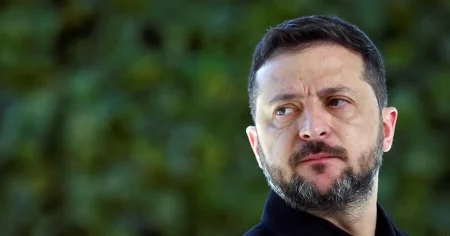
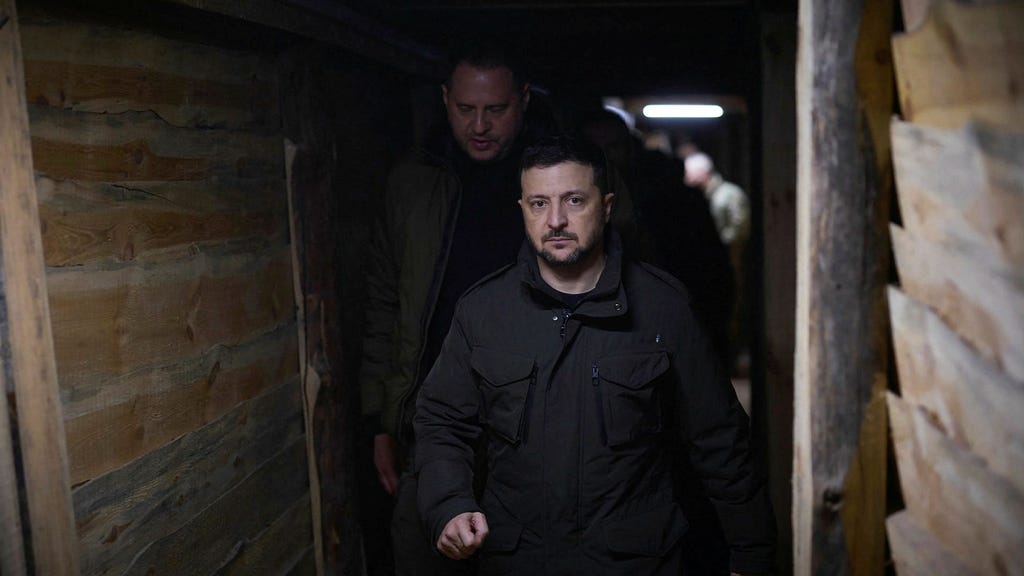
Ukrainian President Volodymyr Zelenskyy publicly addressed the issue, stating that Russia has begun utilizing North Korean soldiers “in significant numbers.” He emphasized the Russian effort to conceal this North Korean involvement, releasing drone footage purportedly showing North Korean soldiers taking cover after an assault on Ukrainian positions. Zelenskyy further accused Russia of attempting to destroy the bodies of deceased North Korean soldiers to obscure their identities, releasing a separate video depicting individuals burning what appears to be a body in a snow-covered area.
The involvement of North Korean soldiers, while yet to be officially acknowledged by either Moscow or Pyongyang, has added a layer of complexity to the conflict. President Zelenskyy’s accusations of a cover-up, combined with reports of casualties and active combat participation, raise questions about the extent and nature of North Korea’s role in supporting the Russian war effort. The lack of independent verification of the video evidence presented by Zelenskyy, however, necessitates careful scrutiny and further investigation to establish the full picture.
This evolving situation has introduced a new dynamic to the geopolitical landscape, highlighting the expanding network of alliances and support in the Russia-Ukraine war. The clandestine nature of the alleged North Korean involvement, combined with the attempts to conceal their presence, underscores the sensitive political ramifications. The deployment of North Korean troops also raises concerns about the potential for further escalation of the conflict and the widening of its impact beyond the immediate region.
The lack of official confirmation from either Russia or North Korea regarding the presence and casualties of North Korean soldiers raises important questions about the transparency and accountability surrounding this development. The international community’s response to these emerging reports will be crucial in determining the future trajectory of the conflict and in addressing the broader implications of North Korea’s involvement in the war. The evolving situation underscores the need for continued monitoring and investigation to understand the full extent of North Korea’s military activities in support of Russia and their impact on the ongoing conflict in Ukraine.