


The clandestine concert, filmed outdoors in Iran without a live audience, quickly became a sensation, garnering millions of views and sparking significant interest among Iranians. Its release online on a Wednesday marked the beginning of a swift and troubling series of events. Just a day later, news broke that the concert was under legal scrutiny, signaling potential repercussions for those involved. By Saturday, the female singer at the heart of the performance, identified as Ahmadi, was arrested, casting a shadow of uncertainty and fear over the artistic expression she represented. The swiftness of the authorities’ response underscores the sensitivity surrounding public performances, particularly those featuring women, in the current Iranian socio-political climate.
Adding to the gravity of the situation, two of the four male musicians who accompanied Ahmadi were also detained on Saturday. This indicates a broader crackdown, not just targeting the female singer but also extending to those who collaborated with her. The arrests, coming so soon after the concert’s online release, suggest a concerted effort to suppress artistic expression deemed to be violating established societal norms. The lack of transparency surrounding the arrests – the charges, the detaining authority, and Ahmadi’s location – further amplifies concerns about due process and the potential for arbitrary detention. The lawyer representing the artists, Milad Panahipour, confirmed the lack of information and pledged to pursue the case, highlighting the challenges in navigating legal complexities within Iran.
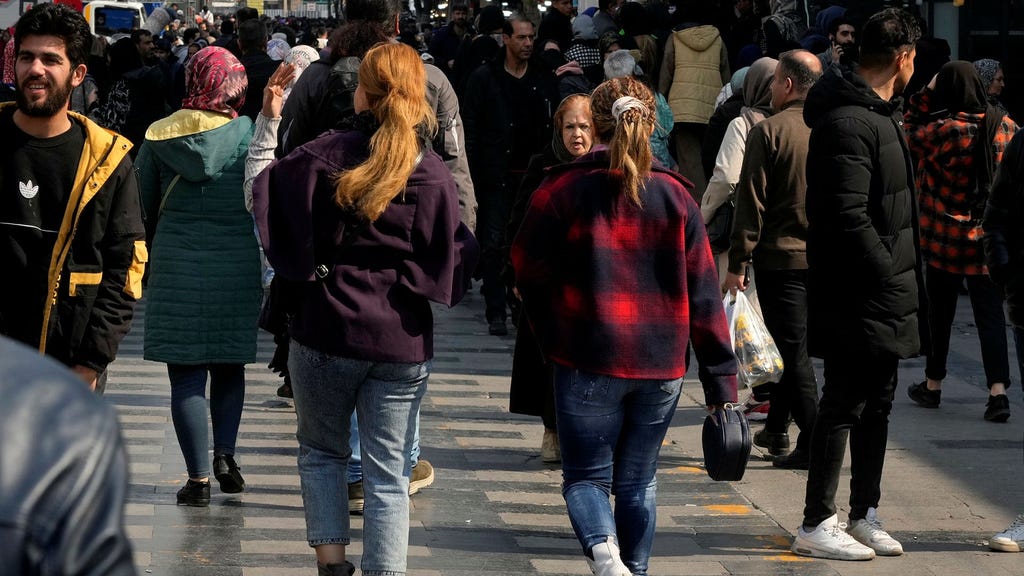
The arrests bring into sharp focus the restrictions placed on women in Iran, particularly regarding their public presence and artistic expression. Iranian law prohibits women from appearing in public without a headscarf and further restricts them from singing or dancing solo before a mixed-gender audience. These regulations, deeply rooted in interpretations of religious and cultural norms, effectively curtail women’s freedom of expression and limit their participation in the public sphere. The concert, featuring a female singer performing without a headscarf, directly challenged these norms, making it a particularly sensitive issue for the authorities.
Moreover, the crackdown comes in the aftermath of the widespread protests that swept across Iran in 2022. Triggered by the death of Mahsa Amini in police custody for allegedly violating hijab regulations, these protests evolved into a broader movement advocating for women’s rights and challenging the existing political system. The demonstrations represented a significant challenge to the Iranian government, and the subsequent response has been marked by increased restrictions and heightened scrutiny of activities perceived as challenging the status quo. The arrests related to the concert can be seen within this context, as a continuation of the government’s efforts to control dissent and enforce its interpretation of societal norms.
The concert and the subsequent arrests highlight the ongoing tension between individual freedoms and state control in Iran. Despite facing potential legal ramifications, many Iranian women continue to challenge dress code regulations and other restrictions. This quiet resistance demonstrates a deep-seated desire for greater personal autonomy and freedom of expression. The online dissemination of the concert, its widespread viewership, and the ensuing arrests exemplify this ongoing struggle, underscoring the power of art and technology to challenge established norms and spark dialogue, even in the face of repression. The actions of Ahmadi and her fellow musicians, though met with swift repercussions, represent a broader trend of individuals pushing the boundaries of permissible expression within Iranian society.
The case of the concert and the arrests also underscores the broader implications of these events. While seemingly focused on a single artistic performance, the government’s reaction speaks to wider concerns about the role of art and expression in challenging established norms and power structures. The lack of transparency around the arrests, coupled with the swiftness of the response, raises questions about due process and freedom of expression in Iran. The international attention garnered by the case further highlights the challenges faced by artists and activists seeking to exercise their fundamental rights, placing the situation within a global discourse on human rights and freedom of expression. The future of Ahmadi and her fellow musicians remains uncertain, their case serving as a critical example of the ongoing struggle for individual liberties and artistic freedom in contemporary Iran.