


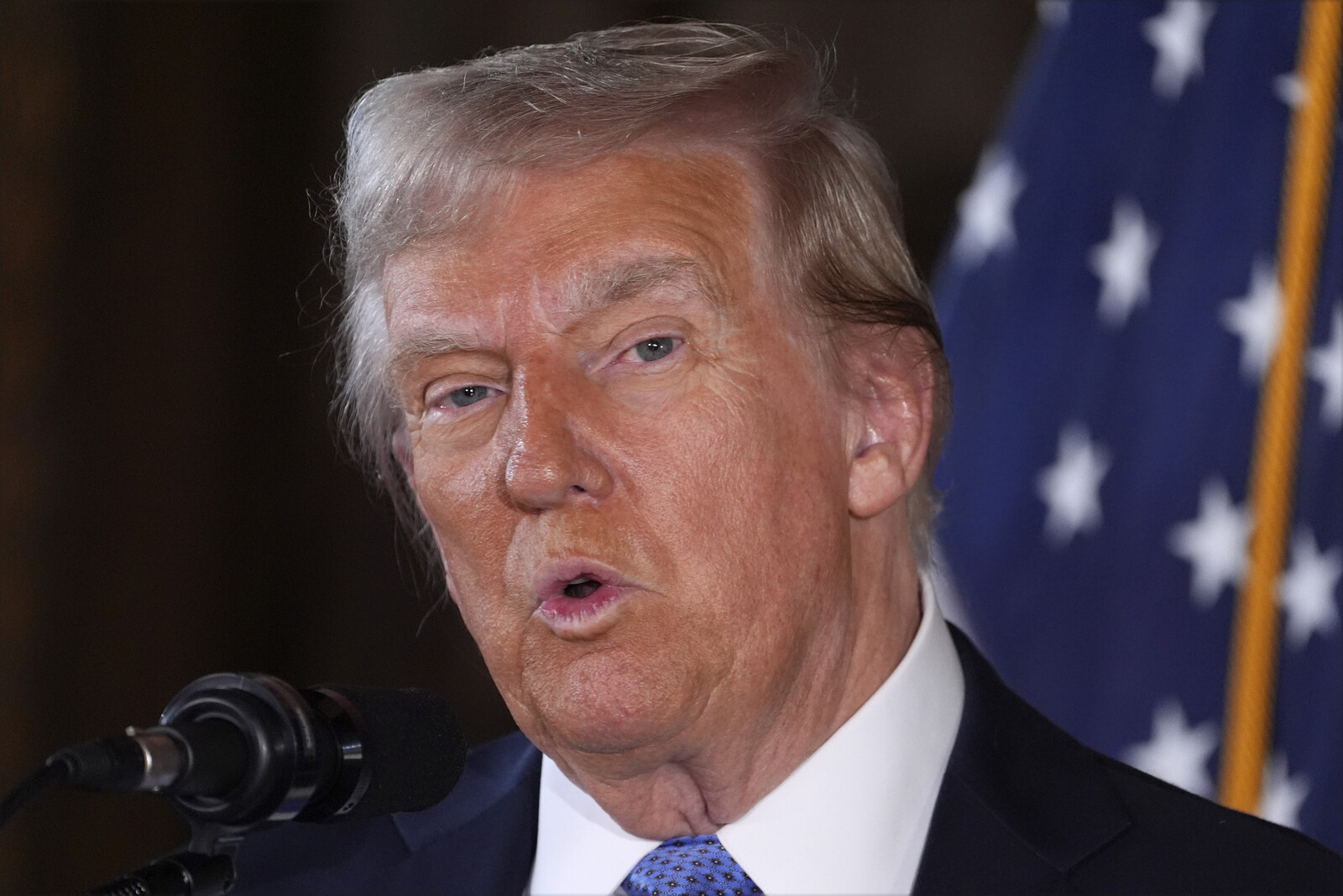
Donald Trump’s unexpected intervention in the budget negotiations just days before Christmas has plunged the US government into a potential shutdown crisis, highlighting deep divisions within the Republican Party and threatening crucial government services. The disruption stems from Trump’s rejection of a bipartisan spending agreement painstakingly negotiated by House Speaker Mike Johnson and Democratic leadership. This agreement aimed to extend government funding and avert the shutdown, providing a temporary reprieve until a more comprehensive budget could be finalized. Trump’s abrupt dismissal of the deal, coupled with new demands issued jointly with his Vice President-elect, J.D. Vance, has thrown the legislative process into disarray and raised serious concerns about the stability of governance during the upcoming holiday season.
Trump’s actions represent a significant departure from established budgetary procedures and a direct challenge to the Republican leadership within the House of Representatives. By demanding the inclusion of provisions related to the debt ceiling, an issue traditionally treated separately from budgetary allocations, Trump has introduced a highly contentious element into an already delicate negotiation. His insistence on tying these two complex financial matters together effectively derails the bipartisan compromise and forces Congress back to the negotiating table with a drastically shortened timeframe. This tactic, combined with his public admonishment of Republican colleagues to ”become smart and tough,” further underscores the internal power struggle within the party and suggests a potential shift towards more aggressive, and potentially disruptive, fiscal strategies.
The potential consequences of a government shutdown are far-reaching and could significantly impact various sectors of American society. Essential federal services, including national parks, government agencies, and crucial regulatory functions, could face closures or disruptions, affecting millions of citizens and potentially jeopardizing economic stability. Furthermore, a prolonged shutdown could undermine public trust in the government’s ability to effectively manage its finances and deliver essential services, exacerbating existing political polarization and deepening the divide between political factions. The timing of this potential crisis, coinciding with the holiday season, adds an additional layer of complexity and could significantly impact the lives and well-being of countless Americans.
Beyond the immediate practical implications, Trump’s intervention raises fundamental questions about the future of Republican party politics and the trajectory of the upcoming presidency. His willingness to publicly challenge and undermine the efforts of his own party’s leadership suggests a potential for future internal conflict and a departure from traditional legislative norms. This assertive approach, characterized by bold demands and uncompromising rhetoric, could signal a shift in Republican political strategy, potentially prioritizing disruptive tactics over collaborative governance. The impact of this approach on the legislative process and the broader political landscape remains to be seen, but it undoubtedly introduces a new level of uncertainty and potential instability.
The current impasse underscores the deep ideological divisions that continue to plague American politics and the immense challenges facing the incoming administration. Bridging the gap between opposing factions and forging a path towards effective governance will require both political skill and a commitment to compromise. The ability of the Republican party to navigate its internal divisions and establish a cohesive legislative agenda will be critical to addressing the complex issues facing the nation. Similarly, the willingness of Democrats to engage in good-faith negotiations, while upholding their core principles, will be essential to finding common ground and preventing future government shutdowns.
The ongoing budget negotiations serve as a microcosm of the broader political landscape, highlighting the deep fissures within American society and the urgent need for constructive dialogue. The ability of political leaders to transcend partisan interests and prioritize the needs of the nation will be crucial to resolving this immediate crisis and charting a course toward a more stable and prosperous future. The outcome of these negotiations will not only determine the fate of government funding but also set the tone for the upcoming administration and shape the future of American politics for years to come.