


Drone Warfare Escalates: Cross-Border Attacks Intensify Conflict
The ongoing conflict between Russia and Ukraine has witnessed a disturbing escalation, with both sides increasingly resorting to drone attacks targeting infrastructure and civilian areas. Recent incidents, including a reported Ukrainian drone strike on a Russian fuel terminal and a Russian drone attack on a residential building in Kyiv, highlight the growing threat posed by this evolving form of warfare. These attacks not only demonstrate the expanding range and capabilities of drone technology but also underscore the potential for unintended consequences and the blurring lines between military and civilian targets. The attack on the Russian fuel terminal in Oryol, a region located far from the frontlines, signals a potential shift in Ukrainian tactics, suggesting a willingness to strike deeper into Russian territory. This could be interpreted as a strategic move aimed at disrupting Russian logistics and supply lines, or potentially as a retaliatory measure for ongoing Russian attacks on Ukrainian infrastructure. Regardless of the motive, this cross-border strike signifies a dangerous escalation in the conflict, potentially provoking further retaliatory action from Russia and escalating tensions between the two nations.
Targeting Fuel Depots: Disrupting Supply Lines and Escalating Tensions
The targeting of the fuel terminal in Oryol holds significant strategic implications. Fuel depots play a crucial role in supporting military operations, providing the necessary resources for ground vehicles, aircraft, and other military equipment. By disrupting these supply lines, Ukraine aims to hinder Russian military capabilities and potentially slow down their offensive operations. However, such attacks also carry the risk of escalating the conflict and provoking a more aggressive response from Russia. The location of the attack, deep within Russian territory, adds another layer of complexity. It raises questions about the range and capabilities of Ukrainian drones and the potential for further attacks on strategic targets within Russia. This could lead to a tit-for-tat escalation of drone warfare, with both sides targeting each other’s infrastructure and potentially civilian areas.
Residential Building Attack in Kyiv: Civilian Vulnerability and the Blurring of Lines
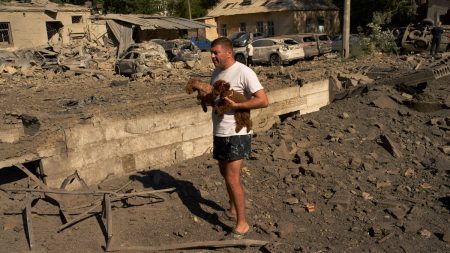
The drone attack on the residential building in Kyiv further highlights the vulnerability of civilian populations in this conflict. While there were no reported injuries in this particular incident, the attack underscores the potential for devastating consequences when drones are used in urban areas. The targeting of civilian infrastructure raises serious concerns about the blurring of lines between military and civilian targets. International humanitarian law prohibits attacks on civilian objects, and the use of drones in a manner that indiscriminately targets civilian areas would constitute a violation of these laws. The attack in Kyiv raises questions about the precision and targeting capabilities of the drones used, and whether adequate measures were taken to avoid civilian casualties. Even if unintended, such attacks can fuel anger and resentment among the civilian population, further exacerbating the conflict.
The Growing Threat of Drone Warfare: Implications for the Future of Conflict
The increasing use of drones in the Russia-Ukraine conflict underscores the growing threat posed by this evolving technology. Drones offer a relatively inexpensive and readily available means of conducting attacks, blurring the lines between traditional warfare and asymmetric tactics. Their accessibility raises concerns about the potential proliferation of drone technology and its use by non-state actors, including terrorist organizations. The evolving capabilities of drones, including increased range, payload capacity, and autonomous functionalities, further complicate the landscape of modern warfare. As drones become more sophisticated and readily available, the potential for their misuse and the risks associated with their deployment will continue to grow. International cooperation and regulations are crucial to mitigating these risks and ensuring the responsible use of drone technology.
The Need for De-escalation and Dialogue: Avoiding Further Escalation and Unintended Consequences
The escalating drone warfare between Russia and Ukraine highlights the urgent need for de-escalation and dialogue. The continued use of drones to target infrastructure and civilian areas carries the risk of further escalating the conflict and leading to unintended consequences. Both sides must exercise restraint and prioritize the protection of civilian lives. International efforts to mediate a ceasefire and facilitate negotiations are crucial to preventing further escalation and finding a peaceful resolution to the conflict. The international community must also work together to establish clear guidelines and regulations for the use of drones in warfare, ensuring that their deployment adheres to international humanitarian law and minimizes the risk to civilian populations.
International Response and the Future of Drone Warfare Regulations:
The international community faces a significant challenge in addressing the evolving threat of drone warfare. The increasing accessibility and sophistication of drone technology call for a concerted effort to develop comprehensive regulations and norms governing their use. Existing international humanitarian law frameworks must be adapted to address the unique challenges posed by drones, ensuring accountability and minimizing civilian casualties. International cooperation is essential to preventing the proliferation of drone technology to non-state actors and promoting responsible drone use. The ongoing conflict in Ukraine serves as a stark reminder of the potential consequences of unchecked drone warfare, underscoring the urgent need for international action to mitigate the risks and prevent further escalation. The international community must work together to establish clear guidelines and regulations for the use of drones in warfare, ensuring that their deployment adheres to international humanitarian law and minimizes the risk to civilian populations. This will require collaborative efforts between nations, international organizations, and experts in the field to develop a comprehensive framework that addresses the ethical, legal, and operational aspects of drone warfare. The future of conflict will undoubtedly be shaped by the continued evolution of drone technology, and it is incumbent upon the international community to proactively address the challenges and opportunities presented by this transformative form of warfare.