




The Walls Around Biden: A Presidency Shaped by Age and Protective Measures
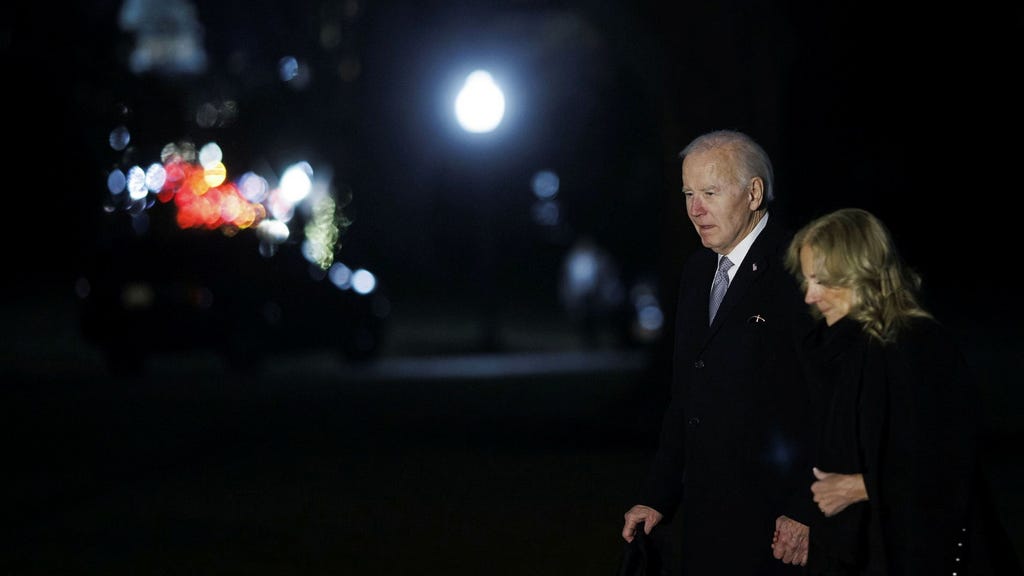
The Wall Street Journal, drawing on interviews with nearly 50 insiders, has painted a picture of a presidency shaped by the advanced age of its occupant, Joe Biden. While all presidents erect barriers to maintain distance, Biden’s fortifications appear more substantial, his interactions more circumscribed. This approach, implemented early in his administration, sought to manage the president’s energy levels and potentially shield him from scrutiny. While Biden assumed office at 78 appearing vital, aides quickly recognized the need to structure his schedule and interactions carefully. High-ranking officials were advised to keep meetings concise and focused, while access to the president became increasingly limited for many, including key figures like Defense Secretary Lloyd Austin and Treasury Secretary Janet Yellen.
This protective strategy extended beyond meeting management. Staff preparing press briefings were reportedly instructed to omit negative news, and Biden’s direct engagement with his own polling experts waned as his re-election campaign faltered. This deliberate filtering of information created an environment where aides effectively "held his hand," raising concerns about the president’s grasp on the complexities of his office and the broader political landscape. This calculated management of information flow created a sort of "nursing home" atmosphere within the White House, limiting Biden’s exposure to potentially challenging or critical information. The Journal’s report follows an earlier piece suggesting Biden might be losing his grip, further fueling concerns about his capacity to lead.
The White House has consistently denied these claims, attributing Biden’s approach to his long-standing preference for a tight inner circle. They emphasize his successful legislative agenda as proof of his competence. However, the Journal’s reporting points to a clear pattern of limited engagement: fewer press conferences, fewer cabinet meetings, and a noticeable decline in stamina during negotiations, as recounted by outgoing Senator Joe Manchin. While the administration defends these choices as strategic, critics see them as evidence of a concerted effort to mask the president’s declining abilities. This raises critical questions about transparency and the potential for isolating a president from crucial information and diverse perspectives.
The White House’s response to criticism has been largely dismissive, labeling concerns about Biden’s age and cognitive abilities as partisan attacks. The Journal’s conservative leanings and the inclusion of Republican sources like Kevin McCarthy among those interviewed provided the administration with an easy avenue to discredit the report. Similarly, Congressman Dean Phillips, who challenged Biden in the Democratic primaries after urging him to step aside, was branded disloyal. Even Special Counsel Robert Hur’s investigation into Biden’s handling of classified documents, which described him as a “sympathetic, well-meaning older man with a bad memory,” was dismissed as politically motivated.
This defensive posture underscores a deeper issue: the potential for denial and obfuscation within the president’s inner circle. While Biden’s memory may indeed be an issue, the more concerning aspect is the apparent willingness of his allies to downplay or ignore these problems. Several prominent Democrats staked their credibility on supporting Biden’s re-election bid, including Vice President Kamala Harris, raising questions about their judgment and the potential prioritization of political expediency over honest assessment. This dynamic raises fundamental questions about the integrity of the decision-making process within the administration and the potential for shielding the president from accountability.
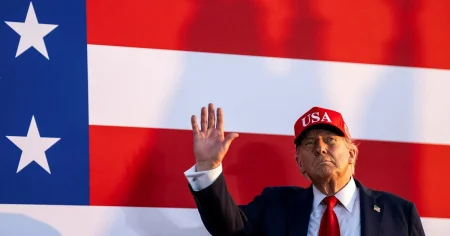
The Wall Street Journal’s reporting offers a glimpse into the challenges of a presidency marked by advanced age. While Biden’s legacy may not be significantly altered by these revelations, the scrutiny of his administration’s handling of his age and potential cognitive decline raises important questions about transparency and accountability in the highest office. As Donald Trump is poised to become the oldest president ever inaugurated, the issue of age and presidential fitness is likely to remain a central concern in American politics. The debate surrounding Biden’s capacity serves as a crucial precedent, highlighting the need for open and honest conversations about the physical and mental demands of the presidency, and the potential consequences of shielding a leader from scrutiny.