




Bernardo Bertolucci’s controversial film, ”Last Tango in Paris,” was scheduled for a screening at the renowned Cinémathèque Française in Paris, but the event was abruptly cancelled following a wave of protests and threats. This cancellation reignites the decades-long debate surrounding the film, its artistic merit, and its ethical implications, particularly concerning the infamous butter scene and its impact on actress Maria Schneider. The incident highlights the complex interplay between artistic expression, censorship, and the evolving societal understanding of consent and exploitation in the film industry.
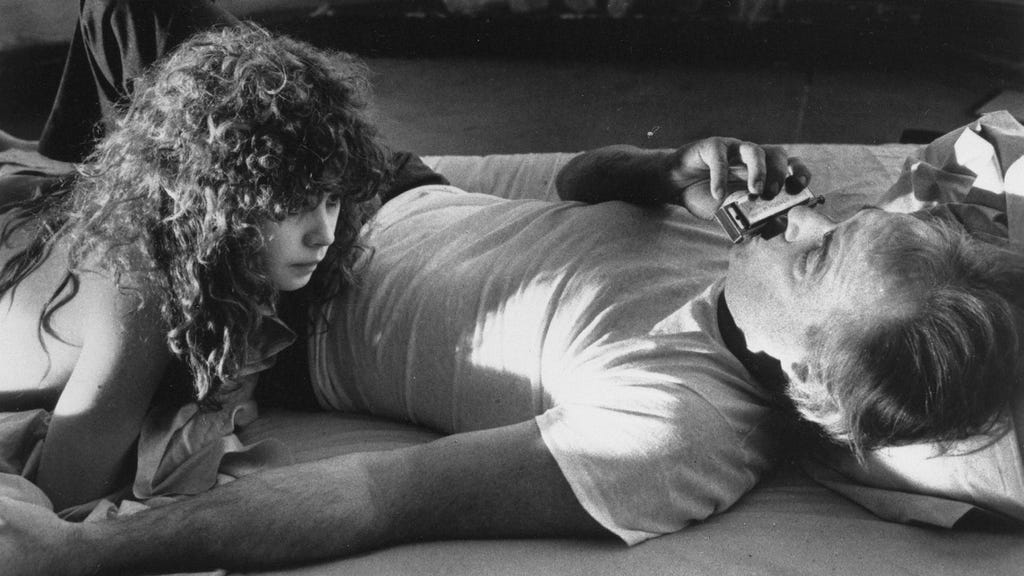
”Last Tango in Paris,” released in 1972, gained notoriety for its explicit sexual content and raw depiction of grief and emotional vulnerability. The film stars Marlon Brando as Paul, an American expatriate in Paris mourning the sudden death of his wife, and Maria Schneider as Jeanne, a young Parisian woman he encounters and engages in a passionate, anonymous affair. While critically acclaimed and considered a landmark work of cinema by some, the film was also met with condemnation for its graphic depictions of sex, particularly the non-consensual use of butter during a scene involving Brando and Schneider. This scene, combined with later revelations about its filming, sparked outrage and accusations of exploitation directed at Bertolucci and Brando.
The planned screening at the Cinémathèque Française, a prestigious institution dedicated to the preservation and promotion of film history, aimed to showcase Bertolucci’s work as part of a retrospective. However, the decision to include ”Last Tango in Paris” proved highly contentious. Critics argued that showcasing the film, given its controversial history and the renewed focus on issues of consent in the wake of the #MeToo movement, would be insensitive and potentially triggering. The Cinémathèque Française, facing mounting pressure and threats, ultimately opted to cancel the screening, citing concerns for public safety and a desire to avoid further controversy.
The cancellation itself sparked another debate, raising questions about censorship and the role of cultural institutions in presenting challenging and potentially problematic works of art. Proponents of the screening argued that cancelling the film amounted to suppressing artistic expression and erasing a significant, albeit controversial, piece of cinematic history. They maintained that the film should be viewed within its historical context and that open discussion and critical analysis are essential for understanding its complexities and the ethical questions it raises. Others, however, supported the cancellation, emphasizing the importance of respecting the trauma experienced by Maria Schneider and acknowledging the ongoing impact of sexual exploitation in the film industry.
The ”Last Tango in Paris” controversy extends beyond the film itself, reflecting a broader cultural shift in how we perceive and discuss depictions of sex and consent on screen. The #MeToo movement has brought renewed attention to power dynamics within the entertainment industry and the vulnerability of actors, particularly women. Schneider’s own account of the butter scene, where she revealed feeling humiliated and exploited, has further fueled the debate and contributed to the re-evaluation of Bertolucci’s legacy. The incident highlights the ethical responsibility of filmmakers to prioritize the safety and well-being of their actors and the need for greater transparency and consent within the creative process.
The cancellation of the ”Last Tango in Paris” screening at the Cinémathèque Française is not an isolated incident. It forms part of a larger conversation about the role of art in reflecting and shaping societal values. As our understanding of consent, exploitation, and power dynamics evolves, so too must our approach to interpreting and engaging with works of art that challenge these norms. The ”Last Tango in Paris” controversy demonstrates that engaging with difficult and controversial art requires a nuanced approach that balances artistic expression with ethical considerations, acknowledging the potential impact on individuals and society as a whole. It encourages a critical examination of the past, fostering dialogue and promoting a more responsible and ethical future for the film industry and beyond.